
Last updated November 21, 2026
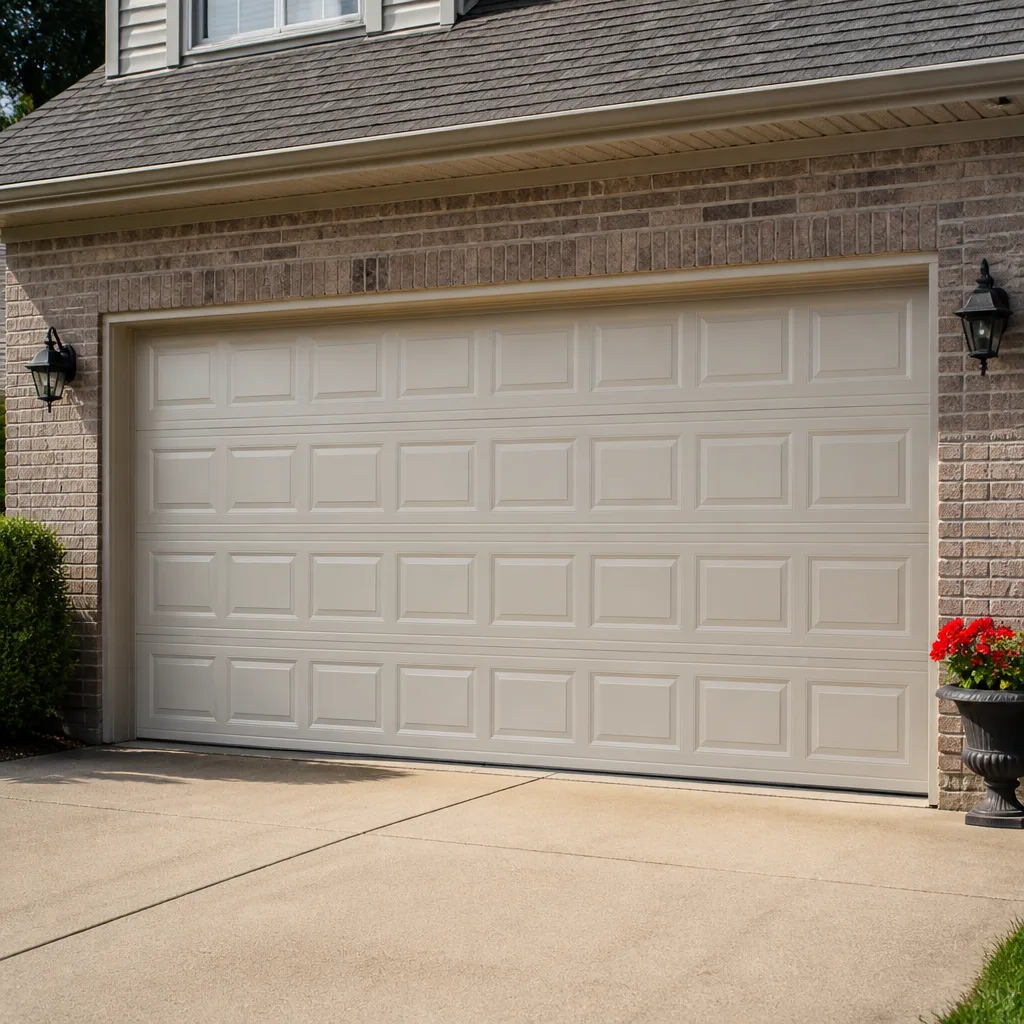 Raised-panel steel
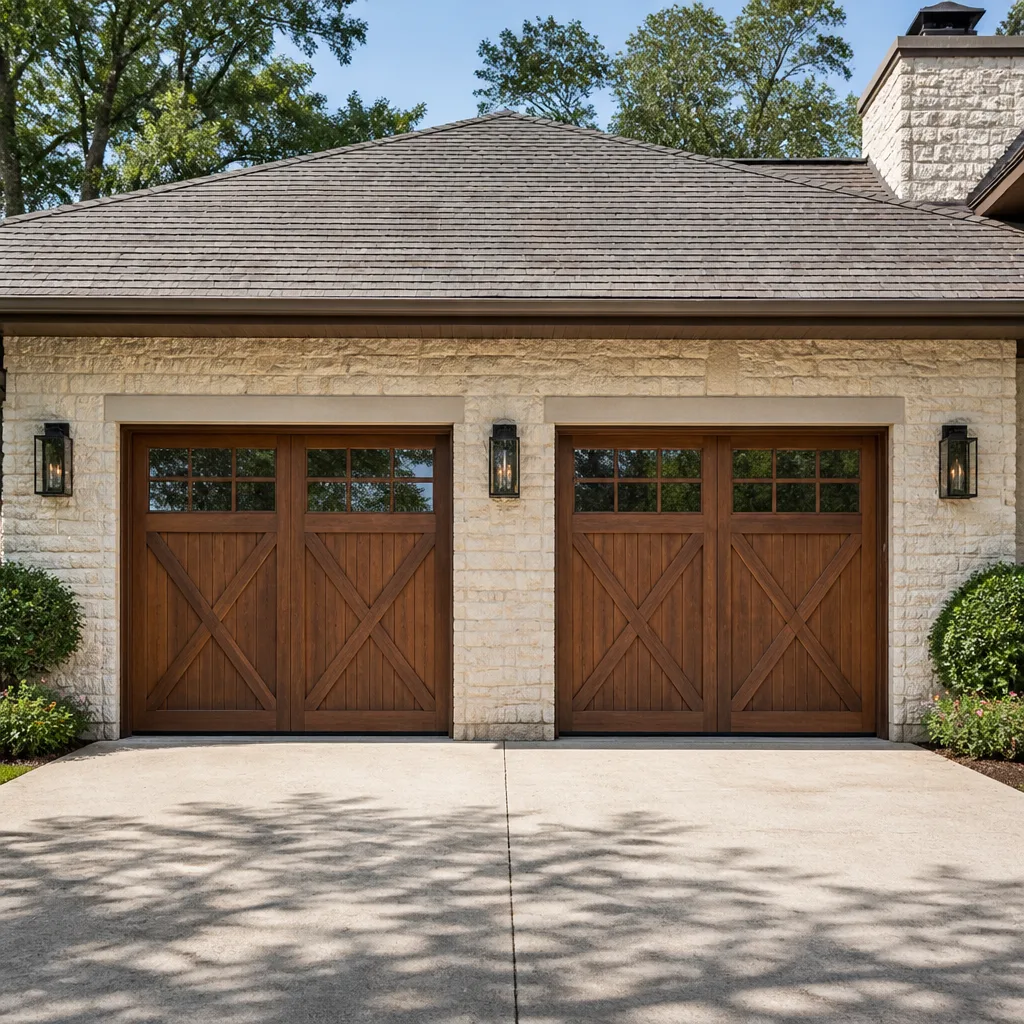 Carriage house
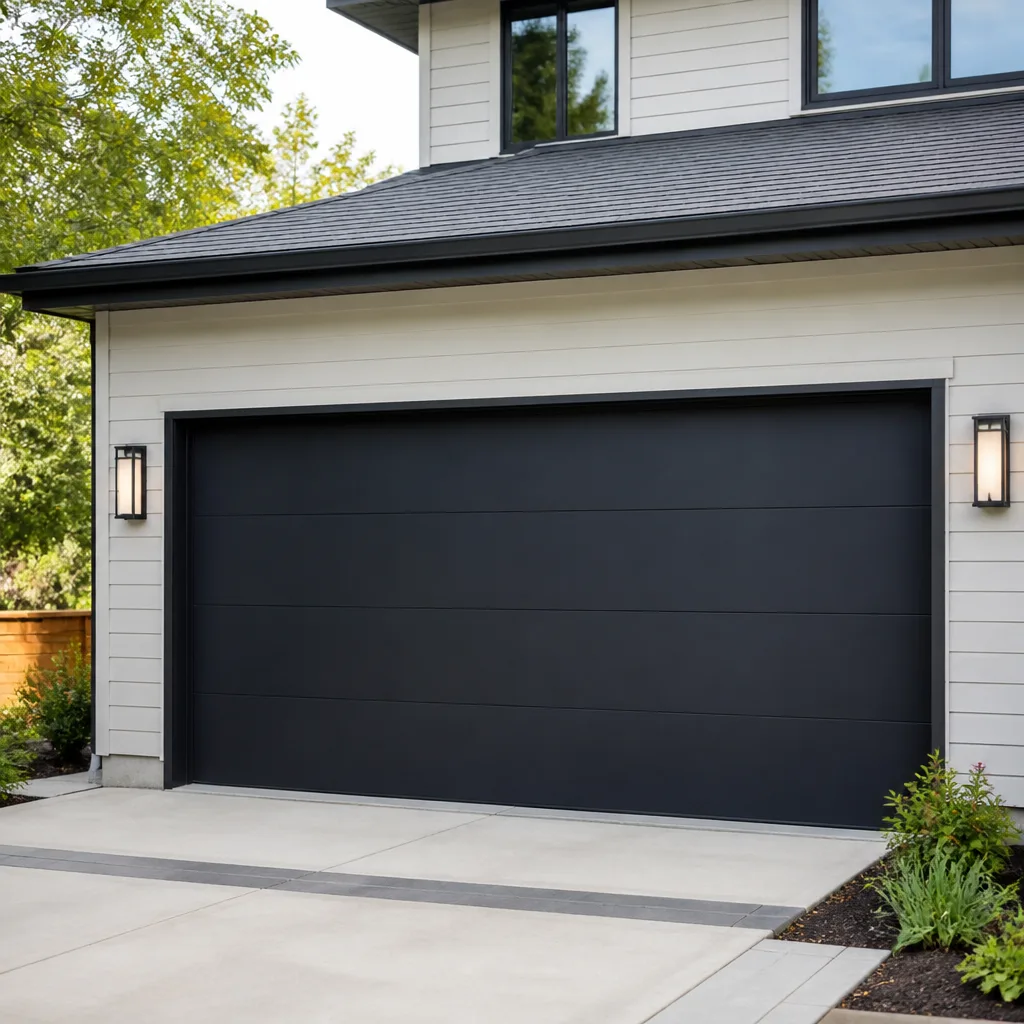 Modern flush
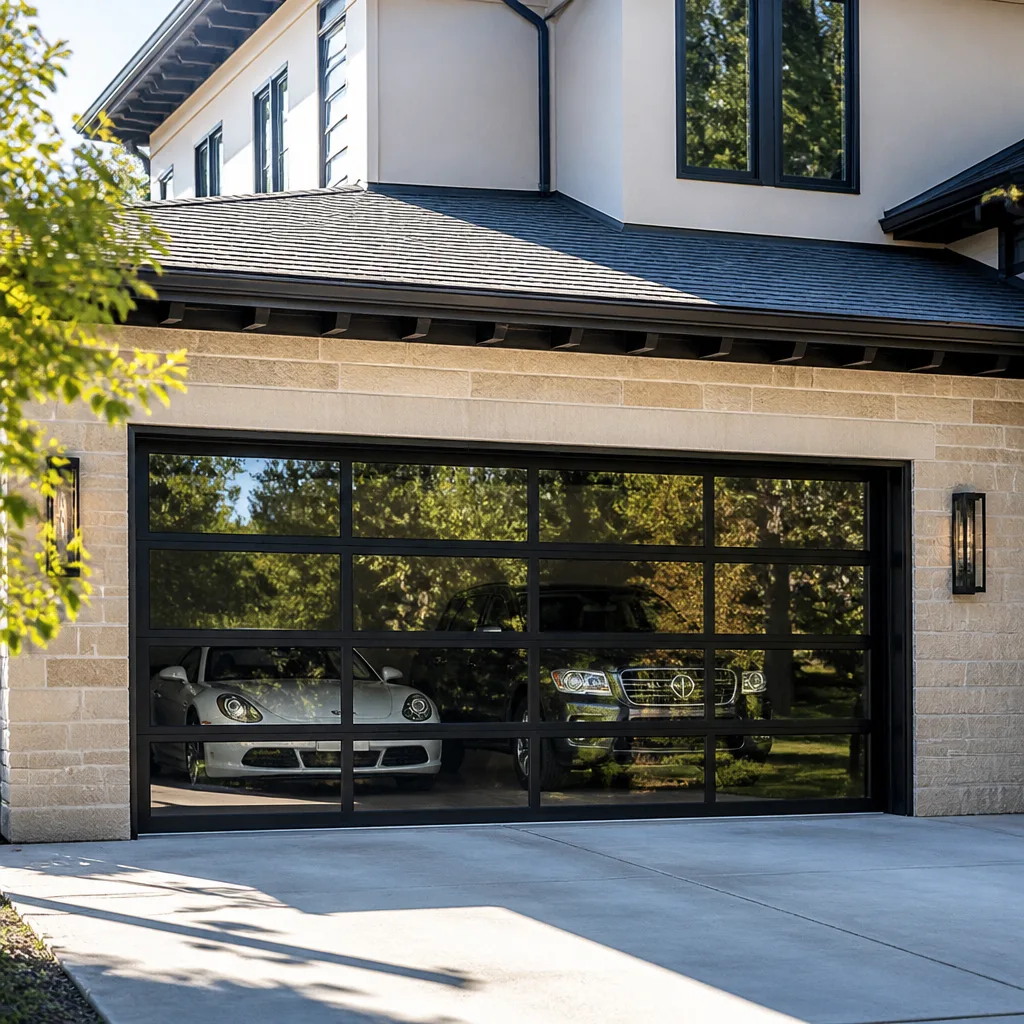 Full-view glass
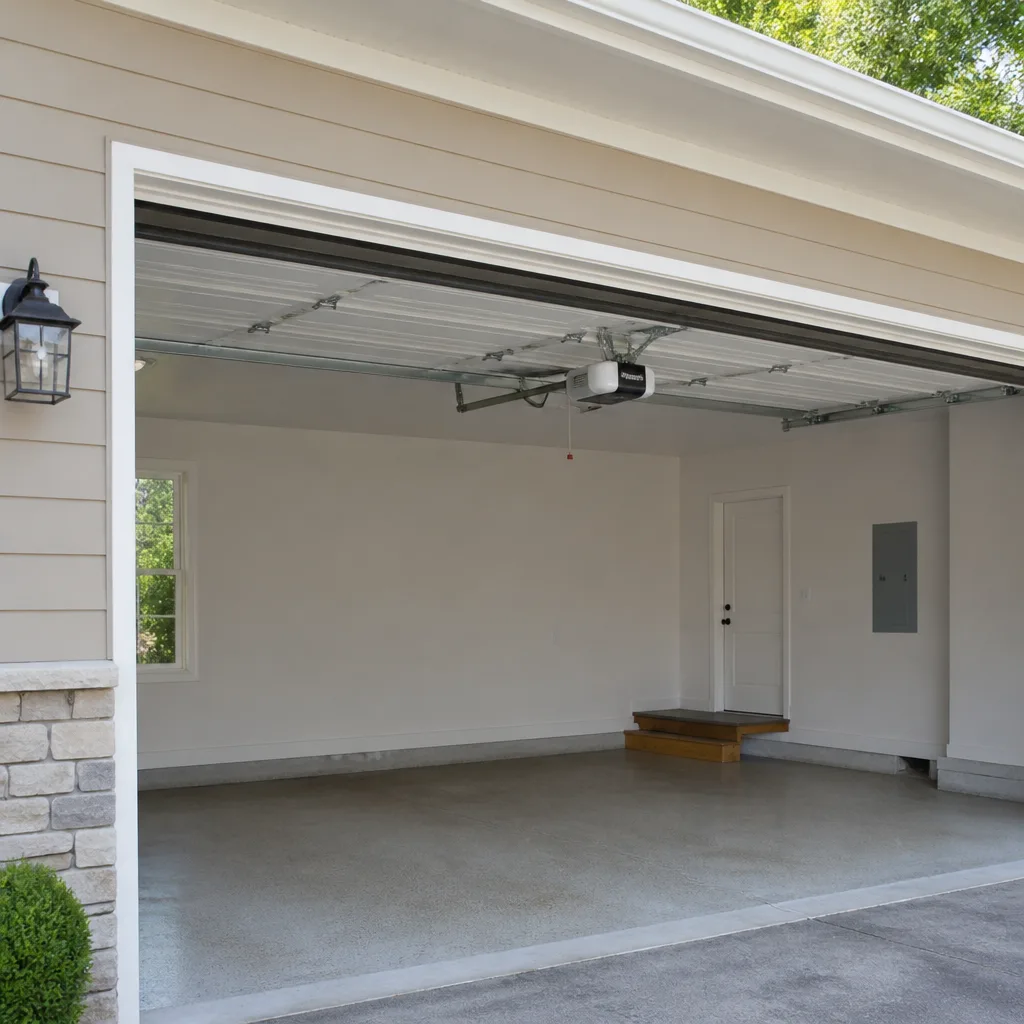 LiftMaster openers
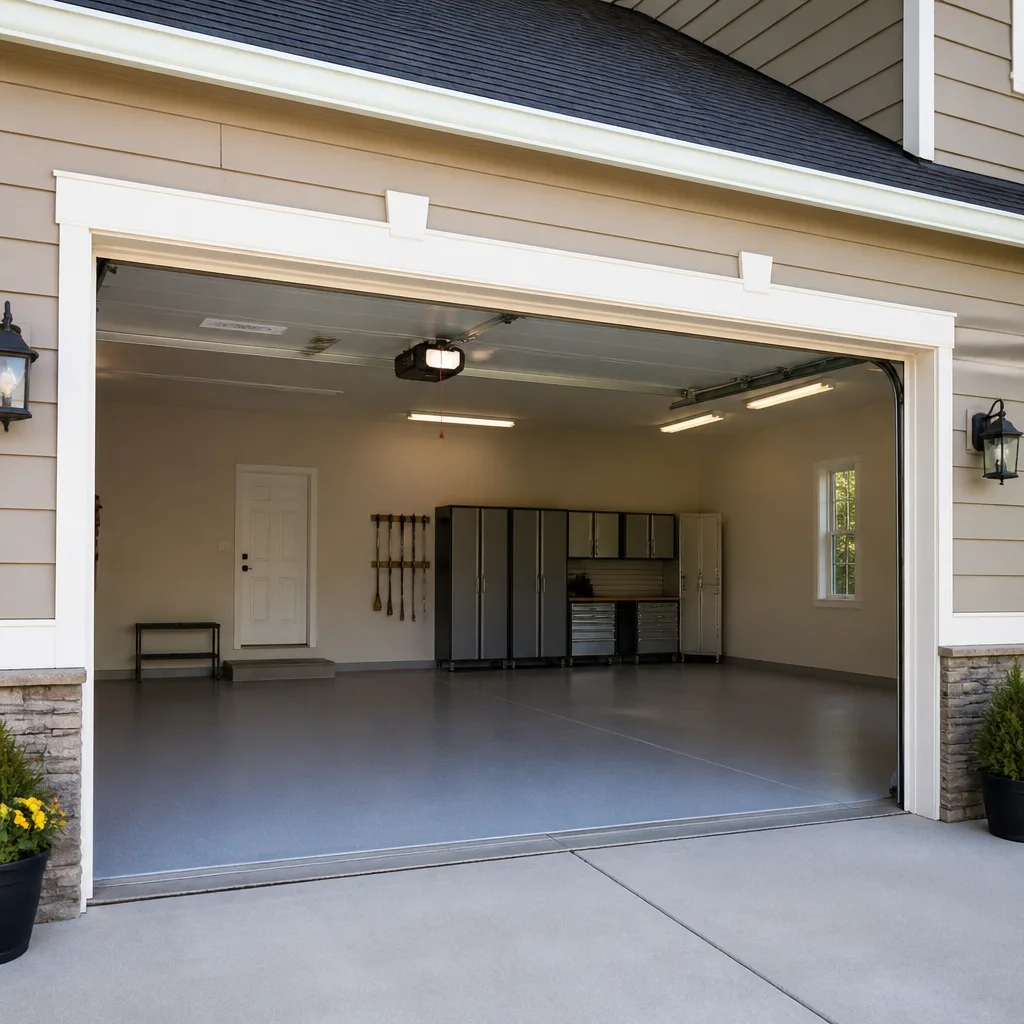 Chamberlain openers
Full 25-point door and opener safety check with every visit - springs, cables, rollers, tracks, and your LiftMaster or Chamberlain opener included
You get a price before we start. It does not change when the pro arrives.
Get your free estimateGarage Door Warning Signs: A Hackensack Homeowner’s Reference Guide
Most garage doors don’t fail without warning. They telegraph the problem for weeks, sometimes months, and the owners who catch it early are the ones who pay for a spring instead of a spring, a cable, and a bent track. Here’s the part nobody tells you: the warning signs are easy to miss because most people don’t know what normal looks, sounds, and feels like in the first place. A door that has always been a little loud sounds “fine” to the person who hears it every morning. This guide fixes that. We’ll walk through the baseline, map each sound and visual clue to the component behind it, and help you decide what can wait and what can’t. It’s written for Hackensack homeowners who want to describe the problem accurately before they call.
Styles & brands we work with
- Raised-panel steel
- Carriage house
- Modern flush
- Full-view glass
- LiftMaster openers
- Chamberlain openers
Quick Answer
The most common garage door warning signs in Hackensack are a door that hesitates before moving, grinding or popping sounds during travel, a cable that looks slack or frayed, gaps between the coils of a torsion spring, and an opener that reverses unexpectedly or runs slow. Any one of these points to a mechanical issue with the door itself, not the opener, and should be looked at by a trained technician before normal use continues.
Table of Contents
- What a Healthy Garage Door Looks, Sounds, and Feels Like
- Sound-to-Component Mapping: Grinding, Squeaking, Popping, Banging
- Torsion vs. Extension Springs: Why the Signs Differ
- Visual Signs That Are Urgent vs. Cosmetic Issues That Can Wait
- The Balance Test: How a Door That Works Fine Can Be Weeks from Failure
- Opener Behavior as a Diagnostic Proxy
- Normal Use vs. Immediate Disengagement: Telling the Difference
- Common Mistakes to Avoid
- When to Call a Professional
- Frequently Asked Questions
- The Bottom Line
What a Healthy Garage Door Looks, Sounds, and Feels Like
Before you can spot a warning sign, you need a baseline. A well-adjusted residential garage door is a boring machine. It moves at a steady pace, makes a low hum from the opener and a soft roll from the rollers, and settles onto the floor without a thud. If you can open it halfway by hand (with the opener disengaged) and it stays put, the springs are doing their job. If it rises and falls with a slight effort but no fight, the balance is right.
Here’s what a healthy door sounds like in order, from the moment the button is pressed:
- The opener engages with a low, consistent hum. No clicking, no straining, no delay.
- The door lifts with a soft roll. Rollers should glide, not scrape.
- Torsion springs unwind quietly or with a faint creak. If your door has extension springs instead, you’ll hear a gentle stretch, not a snap.
- The door reaches the open position and stops cleanly, without bouncing or overshooting.
- The door closes and meets the floor flush across the full width, without a gap on one side.
That’s the standard. Once you know it, any deviation becomes information. In Hackensack, the seasonal swing matters here too. Humidity in summer makes older wooden doors swell and bind slightly, and the cold snaps in January stiffen the grease in the rollers and hinges. A door that sounds different in February than it did in October is often telling you about lubrication and adjustment rather than a part at the end of its life. A door that sounds different in the same week it did before is telling you something else.
We always ask a homeowner to describe the door in three layers: what it sounds like, what it looks like, and what it feels like when they push on it. Those three answers together narrow the problem down faster than anything a technician sees from the driveway. If you can give us all three, you’ve already done the hardest part.
Sound-to-Component Mapping: Grinding, Squeaking, Popping, Banging
Sound is the most reliable early warning a garage door gives you, but only if you can tell which noise belongs to which part. The four most common sounds each point somewhere specific. Here’s the mapping:
Grinding
Grinding is metal sliding against metal without lubrication, or a roller that has seized and is dragging instead of rolling. It usually comes from the hinges, the rollers, or the track itself. If the grinding starts the moment the opener engages and stops when the door reaches the top, the problem is almost always in the moving hardware, not the opener. This is one of the easiest signs to address early, because grinding hardware wears faster and eventually chews through a hinge or a roller stem.
Squeaking
Squeaking is friction, usually between the roller stems and the hinge plates. It’s the lowest-stakes sound on this list and the most often ignored. In our experience, a squeaking door that gets a proper lubrication of the hinges, rollers, and spring coils quiets down quickly. If the squeak returns within a few weeks, something in the alignment is putting more pressure on one side of the door than the other.
Popping
Popping during travel is a different animal. On a torsion spring system, a pop as the door moves up or down can mean a spring is binding or a cable is jumping out of its drum. On an extension spring system, a pop may mean a spring is stretching unevenly or a pulley is sticking. If you hear a single loud pop and the door becomes very heavy to lift, stop. That’s often a spring or cable letting go, and the door needs to be looked at before it’s used again.
Banging
Banging at the top of travel usually means the door is hitting the stop harder than it should, which points to travel-limit settings on the opener or a door that’s out of adjustment. Banging at the bottom usually means the close-force is set too high, which is a safety problem as well as a mechanical one. Modern openers like LiftMaster and Chamberlain models have force and travel adjustments that should be set by hand, not left at the factory default.
If you’re not sure which sound you’re hearing, note the timing: does it happen at the start of travel, in the middle, or at the end? That single detail often cuts down diagnostic time. If the noise is paired with the door reversing on its own, the cause is usually mechanical, and it’s worth having someone look at it sooner rather than later. We cover that in more depth under opener behavior below, and for a full repair call you can reach us through garage door repair.
Torsion vs. Extension Springs: Why the Signs Differ
The springs are what actually lift the door. The opener just pushes the door along. That’s why spring problems are the most common warranty-driver in this trade and the most dangerous single component on a residential door. But the symptoms look different depending on which system you have, and knowing yours helps you interpret what the door is telling you.
How to tell which system you have
- Torsion springs run horizontally above the door, mounted on a shaft. You’ll see them tucked against the header, one or two coils side by side.
- Extension springs run alongside the horizontal tracks, stretching from the back jamb toward the rear of the door opening. They’re often paired with safety cables running through the coil.
Torsion spring warning signs
On a torsion system, watch for a visible gap between the coils. A spring under load is a tight, even coil. When coils separate, the spring has lost tension and is on its way to failure. The door may still open, but it’s being lifted by a spring that’s no longer doing its full share of the work, and the openers on that door are working harder than they should. Grinding or popping that appears only during the first half of travel is also common on a weakening torsion spring.
Extension spring warning signs
On an extension system, look at the safety cable. It should run cleanly through the middle of the spring with no slack and no rust-through. If the spring looks stretched compared to the one on the other side, it’s lost tension. If you see a gap opening at the end hook, that’s a sign the spring has been pulled past its intended stretch. Extension springs have a known failure mode: they snap back toward the rear of the track when they break. That’s why safety cables matter, and why a slack or missing cable is never a “wait and see” item.
In both systems, the door itself is the best test. A healthy door on good springs will hold position at the halfway point when you lift it by hand (opener disengaged). If it drifts down or slams to the floor, the springs are doing less than their share. We’ve seen doors in Hackensack that opened cleanly for weeks on a spring that was one lift away from letting go, and the balance test is the simplest way to tell. For hands-on help with the springs themselves, our garage door spring repair service is a standing part of what we do, not a sideline, because high-tension springs are the single most dangerous piece of hardware on a residential door. If you suspect a spring problem, do not try to adjust it yourself. The stored energy in a wound torsion spring can cause serious injury in an instant, and only a trained technician with the right winding bars should be working on it.
Visual Signs That Are Urgent vs. Cosmetic Issues That Can Wait
Not every visual clue is worth a same-day call. Some are genuinely urgent, and some are cosmetic. The problem is that homeowners tend to treat both with the same level of worry, or the same level of calm, and neither is right. Here’s how to sort them.
Urgent visual signs (address before the next normal use)
- A frayed or kinked cable. Cables run under tension and can whip when they fail. Any visible fraying, a birdcage kink, or a cable hanging loose is a stop-and-call situation.
- Gaps between torsion spring coils. A spring with visible separation between its windings has lost tension and is closer to failure than it looks.
- Door sitting off-plumb. If one side is higher than the other when closed, a cable, drum, or spring on that side is no longer carrying its share. This puts twisting stress on the panels and the tracks.
- Bent or separated track. A track that’s visibly out of line can pull a roller out and drop a door panel. Don’t use the door until it’s been looked at.
- Rollers out of the track. If you can see a roller sitting above or below the track profile, stop using the door.
- Broken spring, obviously. A spring with a visible break or a missing coil section is not going to heal itself, and the door is now running on half its lift support.
Cosmetic issues that can wait for a scheduled visit
- Faded paint or surface rust on the panels. Worth addressing eventually, but not a mechanical risk.
- A squeak that appears and disappears with the seasons. Sort this with a routine lubrication and adjustment, typically on your own schedule.
- A worn weather seal at the bottom. It lets in drafts and water, and it’s worth replacing, but it doesn’t affect the door’s operation or safety.
- Scuffs and minor dents on the panels. Cosmetic on steel and aluminum doors unless the dent has compromised the panel’s structure.
- A slightly noisy opener. Some opener noise is normal, especially on chain-drive units. Grinding or popping is different.
The line between the two lists is simple: does the issue affect how the door carries its weight, or how the door comes down? If yes, it’s urgent. If it’s about appearance or a small seasonal nuisance, it can be scheduled.
The Balance Test: How a Door That Works Fine Can Be Weeks from Failure
A garage door can look and sound perfectly normal and still be wearing itself out from the inside. That’s the hardest warning sign to notice, and the one we have to explain most often to Hackensack homeowners. The balance test is how you catch it.
Here’s how to do it safely, standing on the ground and never reaching under the door:
- Close the door completely. Make sure there’s nothing in the door’s path.
- Pull the release cord on the opener carriage to disengage the door from the opener. The door should now move by hand.
- Lift the door by hand to about the halfway point. Use the bottom handle or a solid grab at the bottom rail, never under the door.
- Let go and observe. A balanced door will hold its position at roughly half height. If it drifts down, the springs are underpowered. If it rises on its own, the springs are overpowered.
- Re-engage the opener by running the door up to the carriage, or by pulling the release cord again and cycling the opener.
If the door won’t hold at halfway, the springs are under stress. That door may still open every day on the opener, but the opener is doing spring work, and the opener isn’t built for it. LiftMaster and Chamberlain openers in particular have force limits that will shut the door down when the load gets too high, which is why the first sign of a failing spring is often an opener that “suddenly stopped working.” It isn’t the opener. It’s the spring.
A door that fails the balance test isn’t an emergency, but it’s not a “wait until spring” item either. It’s a schedule-the-service-call item. The failure window on an overtaxed spring is measured in weeks, not months, in our experience, and the failure tends to happen under load, which means it can happen while someone is walking out of the house. Getting ahead of it is the whole point of this guide.
Opener Behavior as a Diagnostic Proxy
Homeowners tend to blame the opener when a door misbehaves. In our experience, the opener is more often the messenger than the problem. Here’s how to tell the difference:
Signs that point to the door, not the opener
- The door reverses unexpectedly on the way down. On a LiftMaster or Chamberlain unit, the door reversing mid-travel is usually the opener sensing resistance and correctly backing off. The resistance is the problem. If the door reverses at the same point every time, look for a bind in the track, a roller out of alignment, or a spring that’s no longer balanced.
- The opener runs slow or strains. A door that used to run at a steady pace and now lags on the way up is telling you the load has changed. Springs, cables, and rollers are the usual suspects. The motor is working harder to lift a door that’s no longer being helped by its springs.
- The door only goes up part way. A travel-limit problem is possible, but so is a spring that’s lost enough tension that the opener can’t finish the lift. Before you reset limits, have someone check the balance.
- The opener “jumps” or clicks when the button is pressed and nothing moves. This can be a stripped gear in the opener, but it can also be a door that’s physically stuck. Disengage the door and try it by hand. If it moves freely by hand, the problem is in the opener. If it doesn’t, the problem is in the door.
Signs that point to the opener
- Nothing happens when you press the wall button. That’s usually a power, wiring, or logic board issue in the opener itself, not a door problem.
- The remote works but the wall button doesn’t, or vice versa. That’s typically a receiver or wiring issue in the opener.
- Flashing light codes. Genie and LiftMaster openers both use flash patterns to signal specific faults. If you see a code, note the pattern and tell it to the technician when you call.
- The opener runs but the door doesn’t move at all, and the door is disengaged. That’s a carriage or release issue on the opener side.
For a full walkthrough of the opener side of the equation, including the smart-connected and legacy units we service most often, our garage door opener repair page covers the diagnostic path in more detail. The key takeaway for this guide: an opener that reverses, runs slow, or stops mid-travel is usually reporting on the door, not failing itself.
Normal Use vs. Immediate Disengagement: Telling the Difference
Every homeowner who calls us from Hackensack wants the same thing at the start of the call: a straight answer about whether they can use the door until we get there. Here’s the honest version.
Signs that allow normal use while you schedule service
- Grinding or squeaking during travel, with the door otherwise moving and closing normally.
- A single cosmetic issue like a worn seal, faded panel, or a scuff.
- An opener that runs a little noisier than it used to.
- A door that fails the balance test but still opens and closes under opener power without reversing.
These are all “call and schedule” items. The door is telling you something is wearing, and you should get it addressed within the week or two, but nothing is about to fall.
Signs that mean disengage the opener now
- A visible broken spring, or a torsion spring with an obvious gap. The door is now being carried by hardware that wasn’t designed to do the whole job.
- A frayed, slack, or damaged cable. Cables under tension can cause serious injury when they let go.
- A door sitting visibly off-plumb. One side is lifting more than the other, and the twisting load can warp the panels and bend the tracks.
- A bent or separated track, or a roller out of the track. The door can come down unevenly or drop.
- An opener that reverses unexpectedly more than once at the same point, or a door that slams instead of closing gently. The safety reverse is not to be relied on to protect people or pets in that state.
- A loud pop followed by the door becoming very heavy to lift. That’s a spring or cable failure in progress.
To disengage the door, pull the red release cord on the opener carriage. The door will then move by hand only, and it should be left in the down position until a technician can look at it. Don’t run the opener with the door disengaged; you’ll only get the carriage out of position.
If you’re not sure which list your door is on, call us and describe what it’s doing. We can usually tell you over the phone whether it’s safe to use. Call (844) 959-3216. We answer 24/7. Fast dispatch from 7am to 7pm, Sunday through Friday.
Common Mistakes to Avoid
We see the same handful of decisions trip up Hackensack homeowners again and again. Each one turns a small repair into a bigger one, or into a safety problem.
- Assuming the opener is always the problem. When a door reverses, runs slow, or stops mid-travel, most people call an opener tech, or worse, buy a new opener. Nine times out of ten the issue is mechanical, and a new opener on a tired door just stresses the door more. Have the door itself checked first.
- Using a door with a broken spring “just a little longer.” A door on a broken spring is being lifted by the opener and whatever tension the second spring still has. The opener is designed to push the door, not lift it, and the strain on the remaining parts goes up fast. Stop using it the moment you see the break.
- Assuming a garage door that quits on a Saturday can wait until Monday. We’re closed on Saturdays, so a door that fails then gets booked into Sunday, not held over. Call and we’ll schedule it into the next opening rather than tell you to sit on it.
- Forgetting that Hackensack’s humidity swings affect the door. Wooden doors swell in the summer and contract in the winter, and steel doors expand and contract with temperature. A door that’s “suddenly out of adjustment” in July or January often just needs the seasonal adjustment and lubrication the door has always needed. Skipping it is what turns a squeak into a seized roller.
- Treating a frayed cable as cosmetic. Cables don’t fail gradually the way springs do. A cable with visible strands broken or a kink has already lost part of its strength, and the failure mode is a snap that can cause serious injury. It’s a stop-use item, not a note-it-for-later item.
- Lubricating the tracks. It’s counterintuitive, but the tracks are not supposed to be greased. They’re meant to stay dry so the rollers roll instead of slide. Grease on the track collects dirt and eventually causes the door to bind. Lubricate the hinges, rollers, and spring coils; leave the tracks alone.
- Pulling the door by the bottom panel while an opener is still engaged. You can damage the carriage, the panel, or both, and you can throw the door out of alignment. Disengage the opener first, always, before you try to move a door by hand.
When to Call a Professional
Some of what this guide covers is routine maintenance you can do yourself: lubrication, a visual inspection, a balance test. But the moment the signs point to a spring, a cable, a bent track, or an opener that reverses without an obvious cause, it’s a call. High-tension springs and cables store enough energy to cause serious injury in an instant, and a door that’s out of balance or off-plumb can come down unevenly while someone is walking through. That’s not a DIY category. It’s also not a category every general handyman will take on, which is why we handle spring and cable work as a core service rather than an occasional job.
If you’re in Hackensack and you’ve ticked off any urgent sign from this guide, or your door fails the balance test, or your LiftMaster or Chamberlain opener keeps reversing, get it looked at before it causes a bigger problem. Our technicians have up to 12 years of experience, and we service every major residential brand on the market, from Clopay and Amarr doors to Genie, LiftMaster, Chamberlain, Craftsman, Wayne Dalton, and Raynor openers. Hackensack Garage Door Repair Pros offers free estimates in Hackensack, and the price for the job is quoted and agreed before any work starts. Call (844) 959-3216. We answer 24/7. Fast dispatch from 7am to 7pm, Sunday through Friday.
Frequently Asked Questions
The earliest sign is usually a change in how the door feels at the halfway point: it won’t hold position when you lift it by hand with the opener disengaged. On a torsion system, you may also see gaps opening between the coils, or hearing a single pop during travel. On an extension system, look for a spring that’s visibly stretched compared to its pair or a slack safety cable. If you notice any of these, stop using the door and have it inspected before the next normal use. Call (844) 959-3216 for a free estimate; spring work is a standard part of what we do.
Yes, if the sign is on the urgent list. A door can open cleanly for weeks on a weakening spring or a frayed cable, and the failure tends to happen under load, not at a convenient time. The balance test is the fastest way to catch a problem the door is still working around. If the door holds at halfway and everything looks clean, you have time to schedule routine service.
Most of the time it’s the door. A LiftMaster or Chamberlain opener reverses because it’s sensing resistance, and the resistance is usually a bind in the track, a misaligned roller, or a spring that’s no longer carrying its share. Check whether the door reverses at the same point every time; that pattern points to a mechanical cause rather than an opener fault. If it does, call (844) 959-3216 and describe the pattern for a free estimate on the repair.
Torsion springs run horizontally above the door on a metal shaft, mounted against the header. Extension springs run alongside the tracks, stretching from the back jamb toward the rear of the opening. The two systems fail in different ways, and the warning signs look different, so knowing which one you have tells you what to watch. We handle both.
No. A slack or frayed cable is a stop-use sign, not a schedule-later sign. Cables carry the door’s weight under high tension, and a failed cable can cause serious injury. Disengage the opener at the carriage, leave the door down, and call for service. Call (844) 959-3216 for a free estimate. We’re closed on Saturdays, so a door that fails on Saturday gets booked into Sunday, not held over.
Routine service is a lubrication of the hinges, rollers, and springs, a check of the balance, a check of the cables and rollers, and an inspection of the opener’s force and travel settings. Twice a year is the usual rhythm, ideally with an eye on the seasonal swings: once as the humidity builds in spring, once as the cold sets in. In our experience, the doors that get that twice-a-year attention are the ones that never surprise their owners with a mid-January breakdown. Call (844) 959-3216 for a free estimate if it’s been a while.
The Bottom Line
Garage doors almost never fail without a warning. They give you the signs first: a hesitation on the lift, a grinding roller, a cable that hangs a little slack, a gap in the spring coils, an opener that reverses at the same spot every time. Your job is to know the baseline, run the balance test now and again, and act on the urgent signs immediately rather than waiting for them to get worse. If you can describe what your door is doing in the terms this guide lays out, you’ll get a faster, more accurate diagnosis and a repair that fits the actual problem. That’s the whole point of learning the language. When you’re ready to have someone look at it, call (844) 959-3216 for a free estimate. The written quote sets the final price, and we’ll tell you plainly whether it’s a routine fix or a stop-use situation.
Written by the team at Hackensack Garage Door Repair Pros.
See the difference
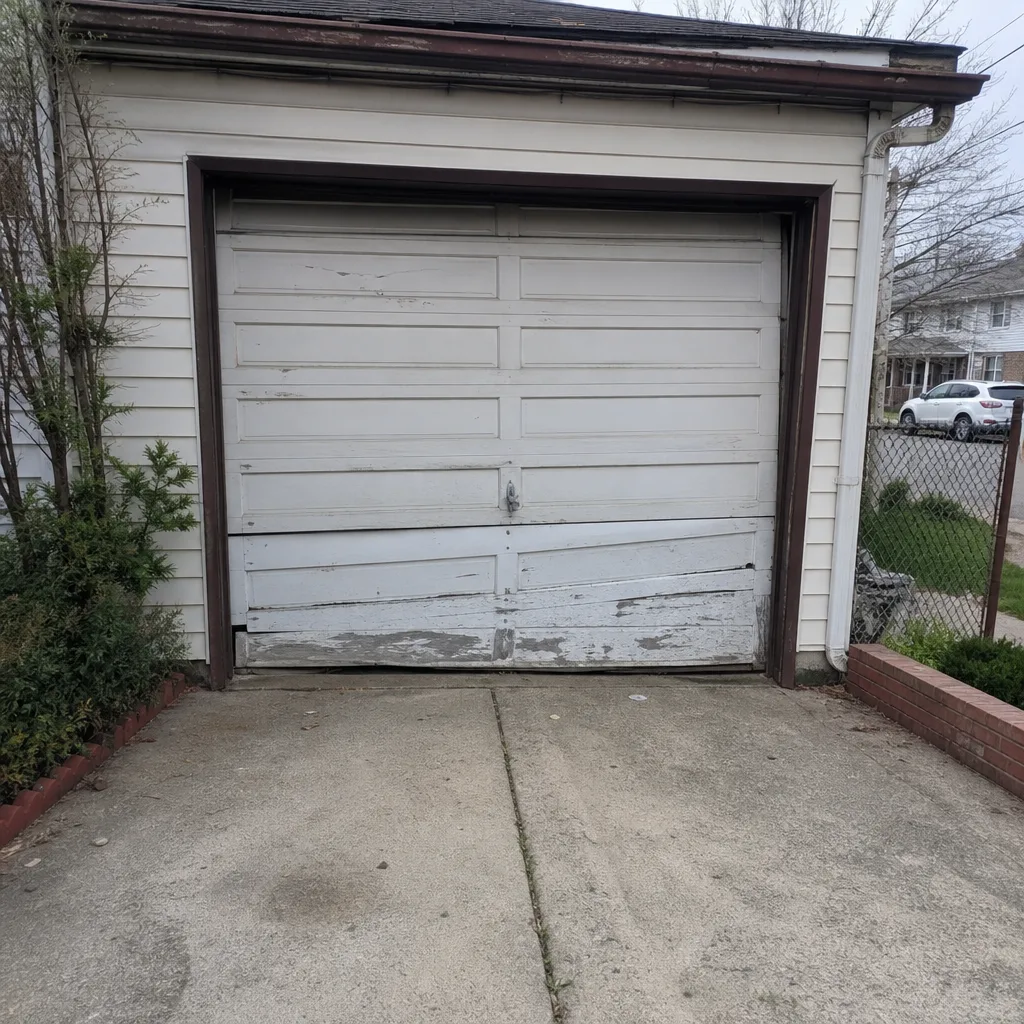 Before
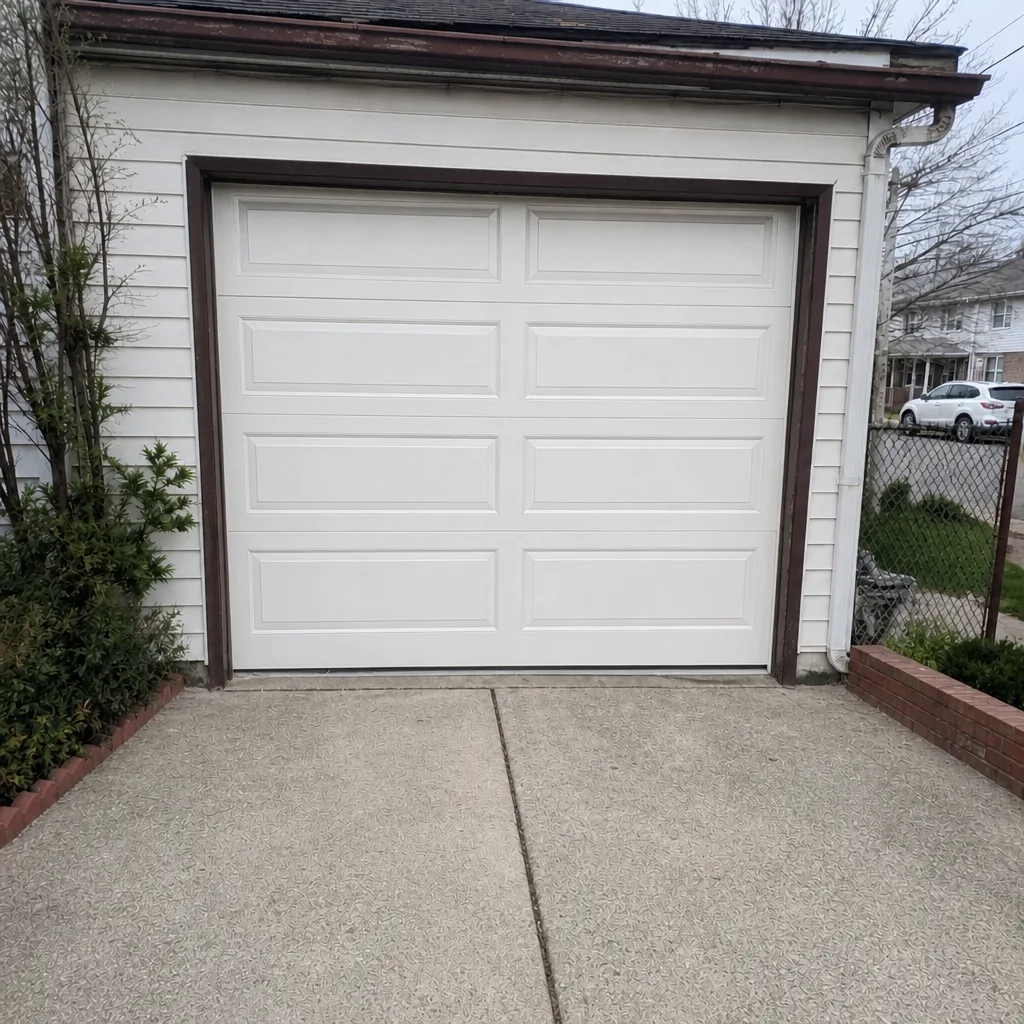 After
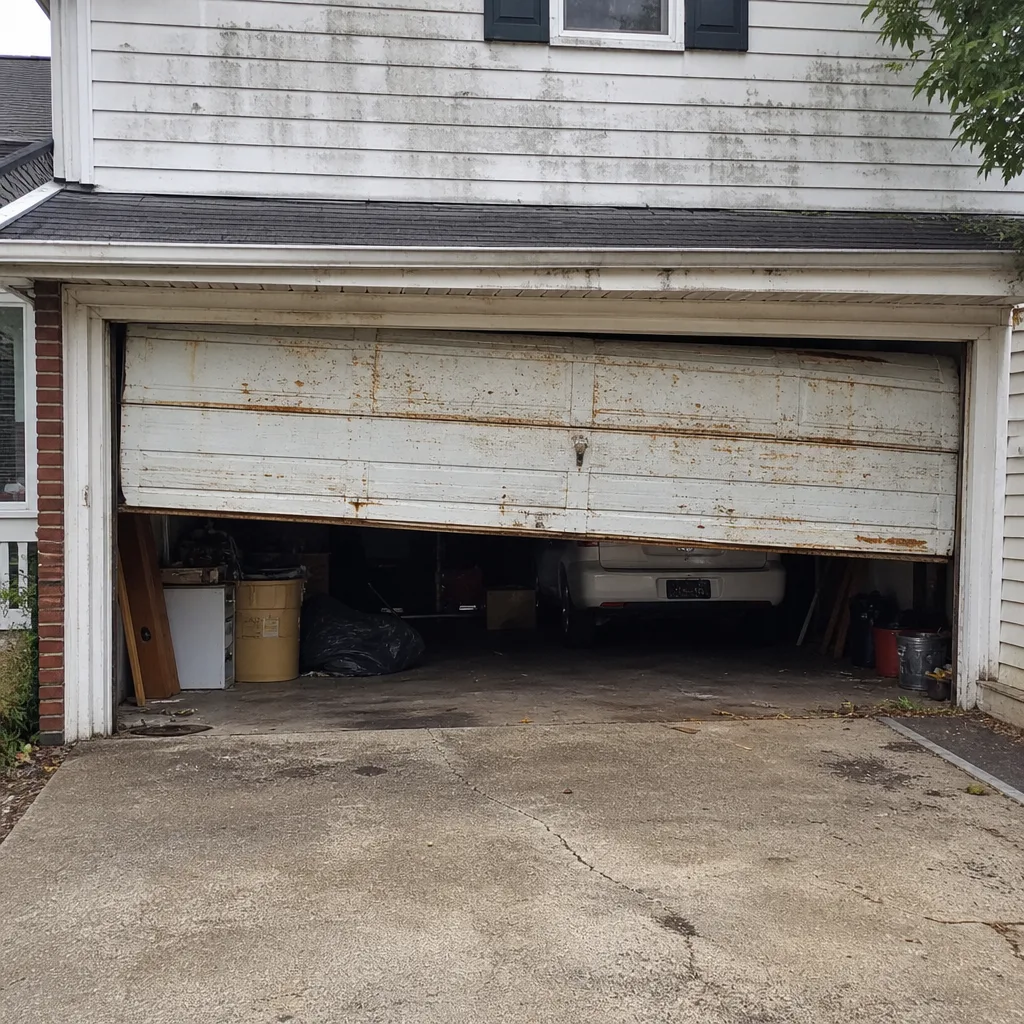 Before
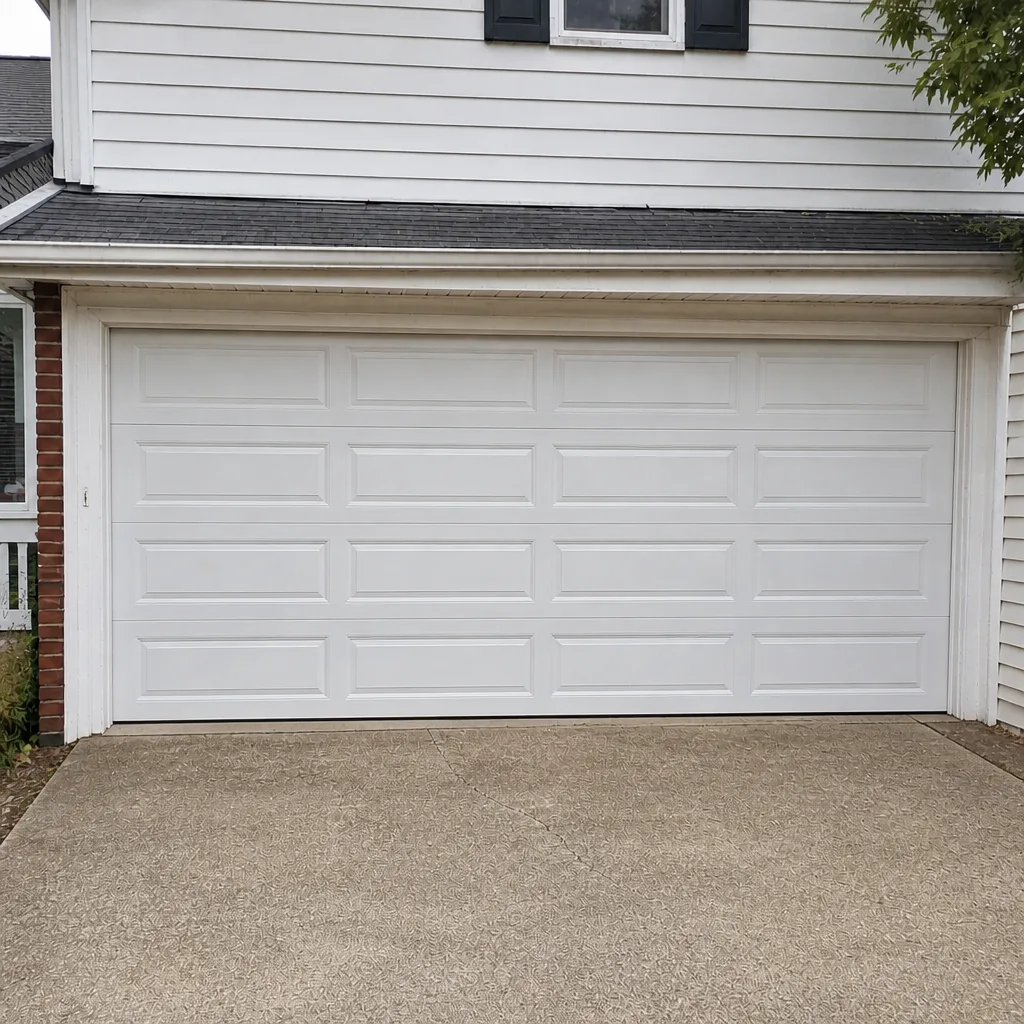 After
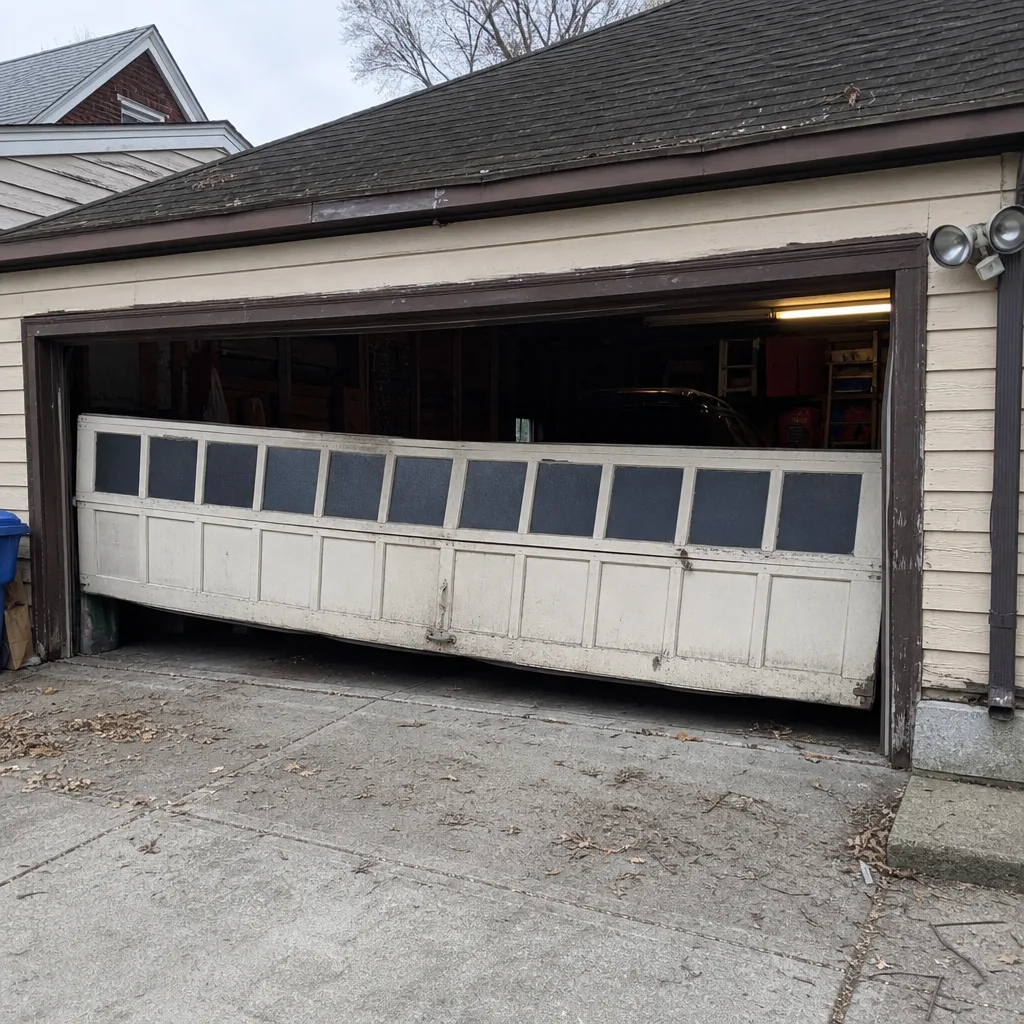 Before
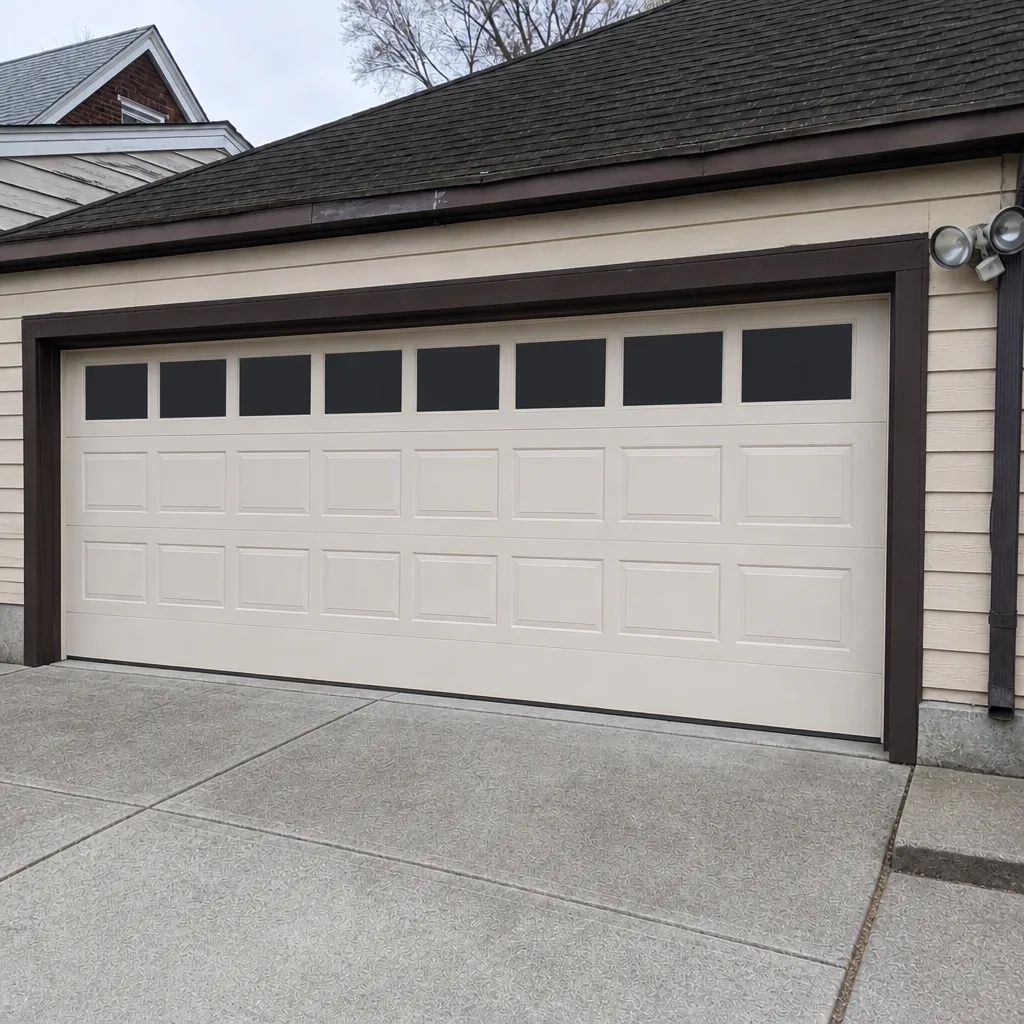 After