
Last updated November 21, 2026
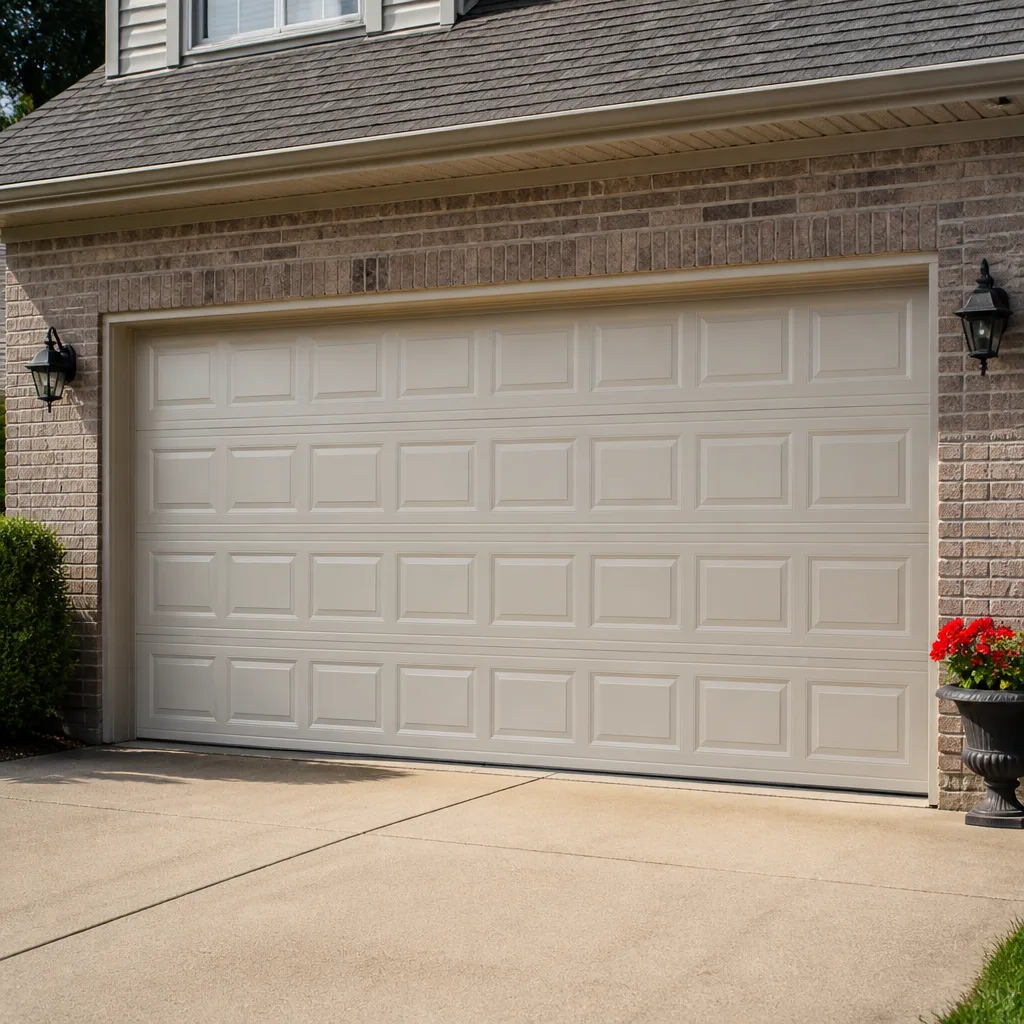 Raised-panel steel
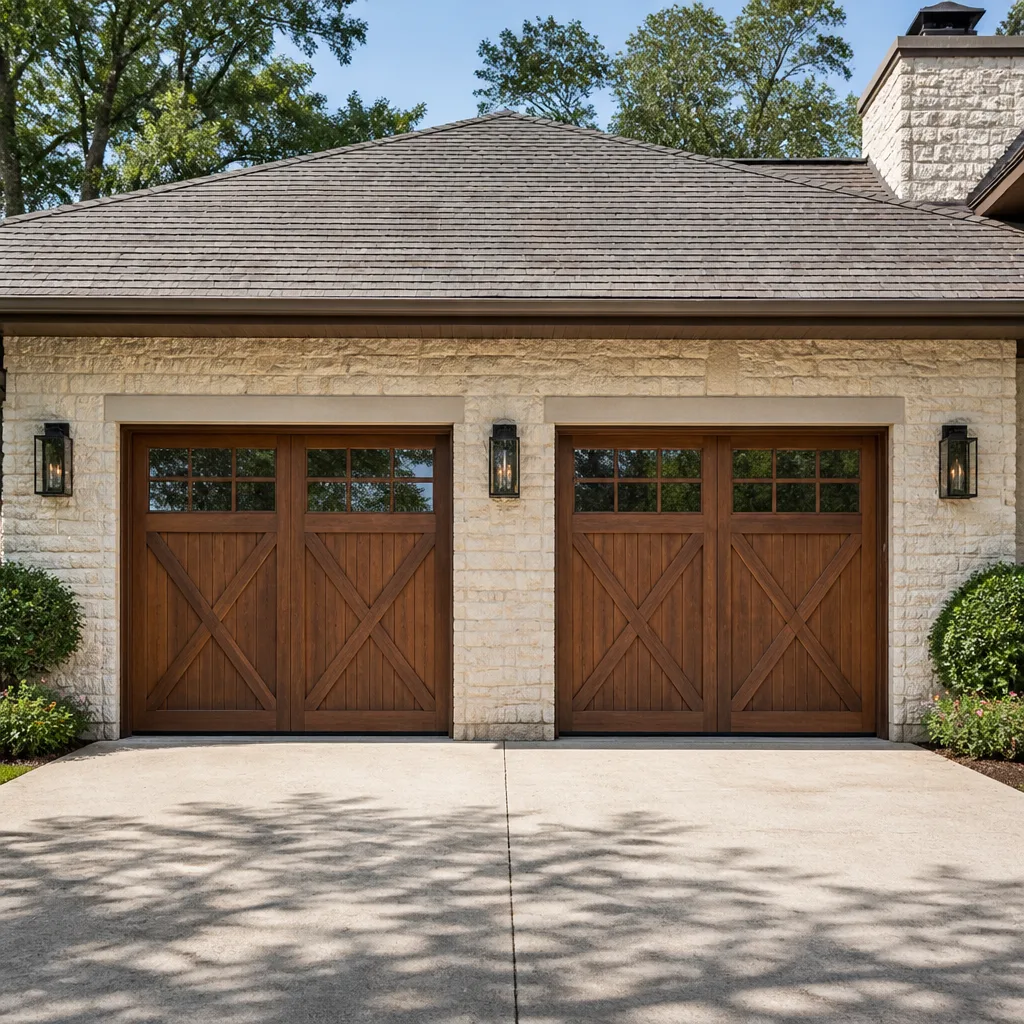 Carriage house
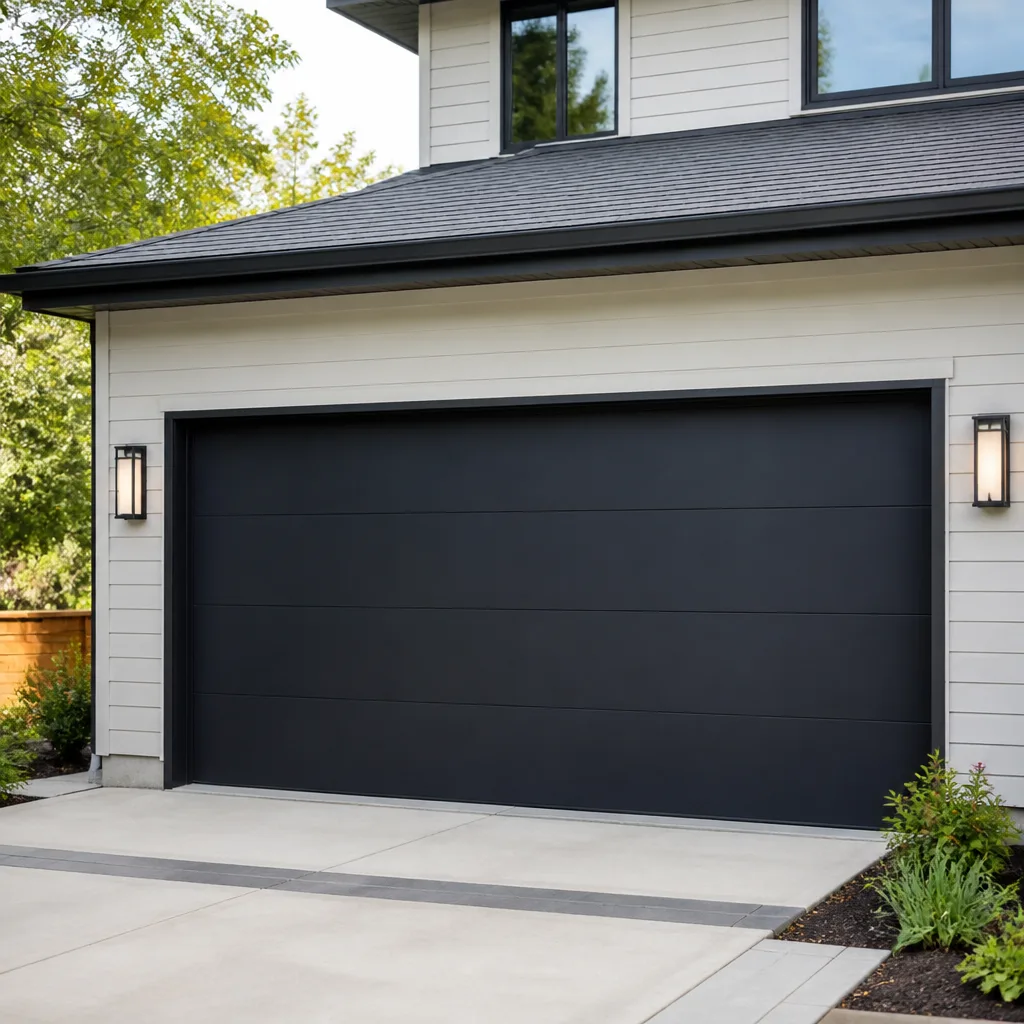 Modern flush
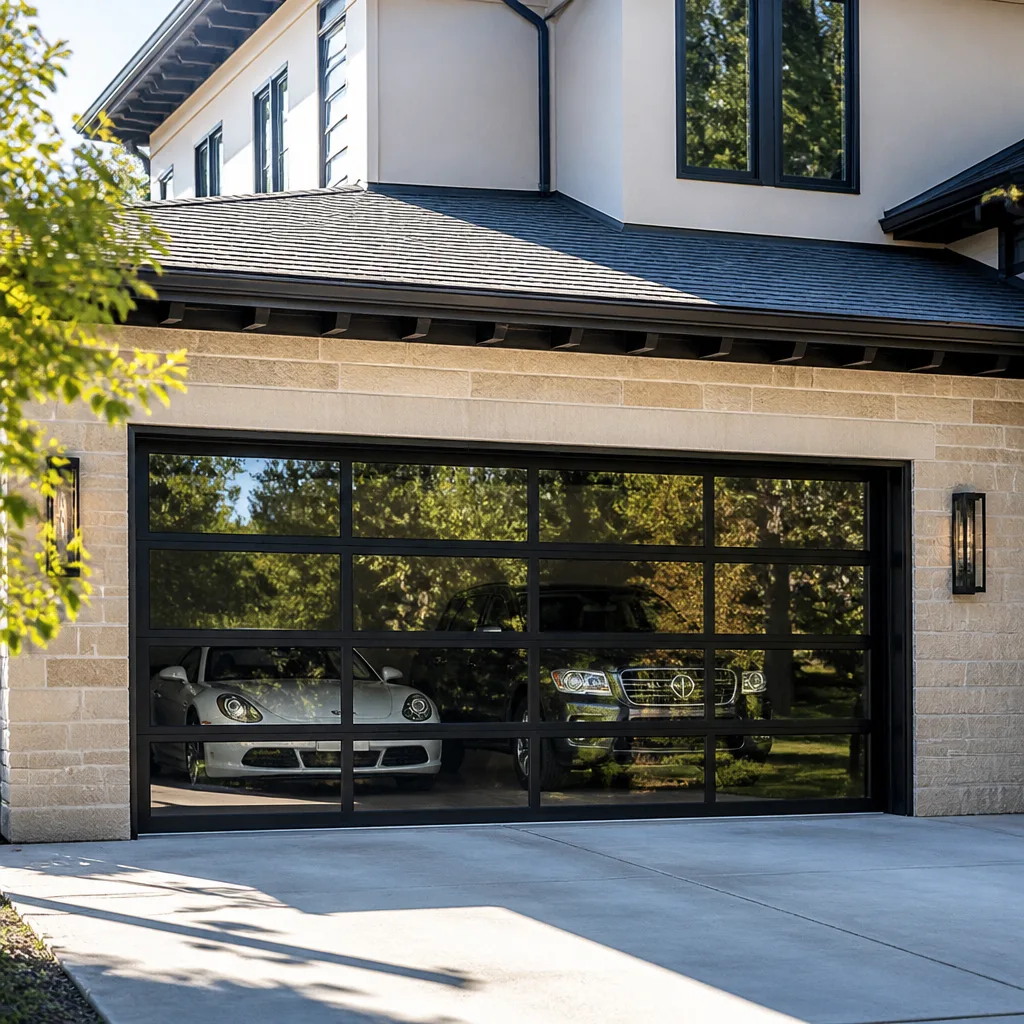 Full-view glass
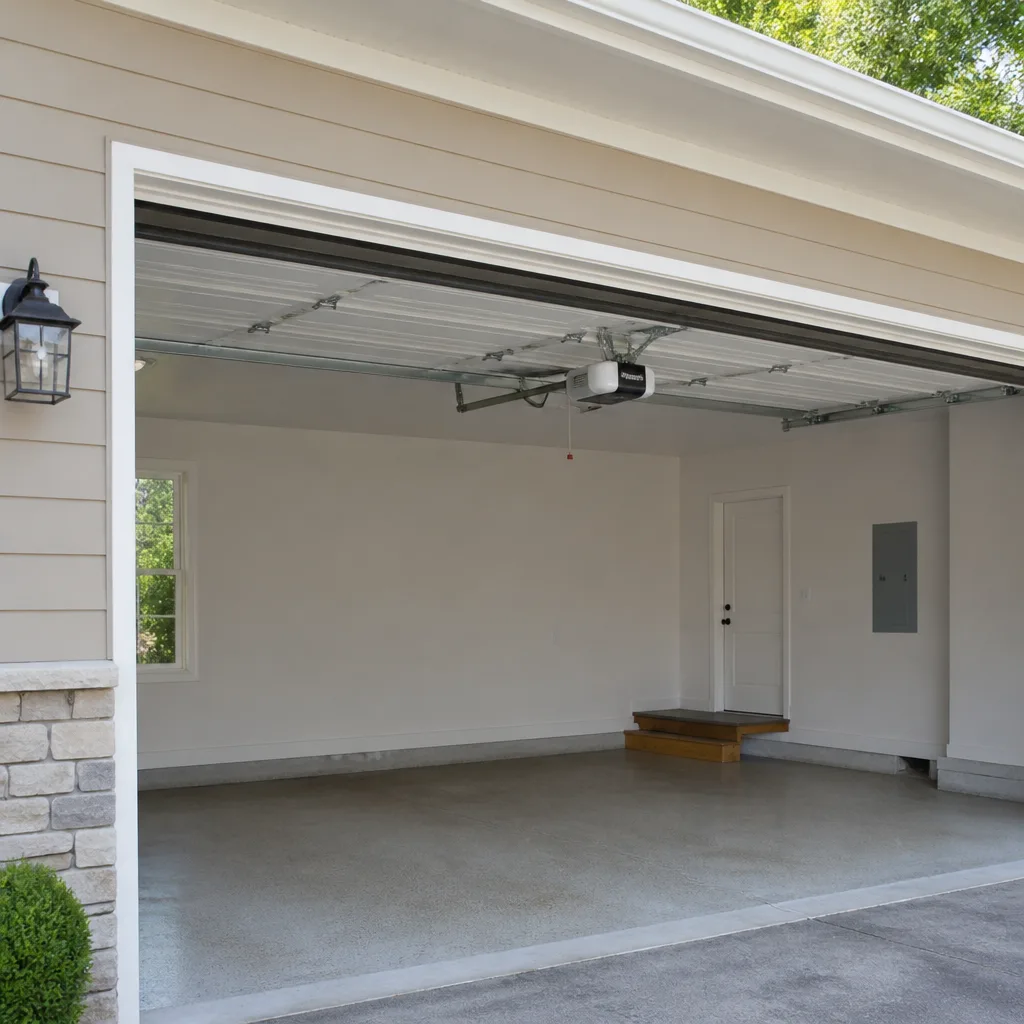 LiftMaster openers
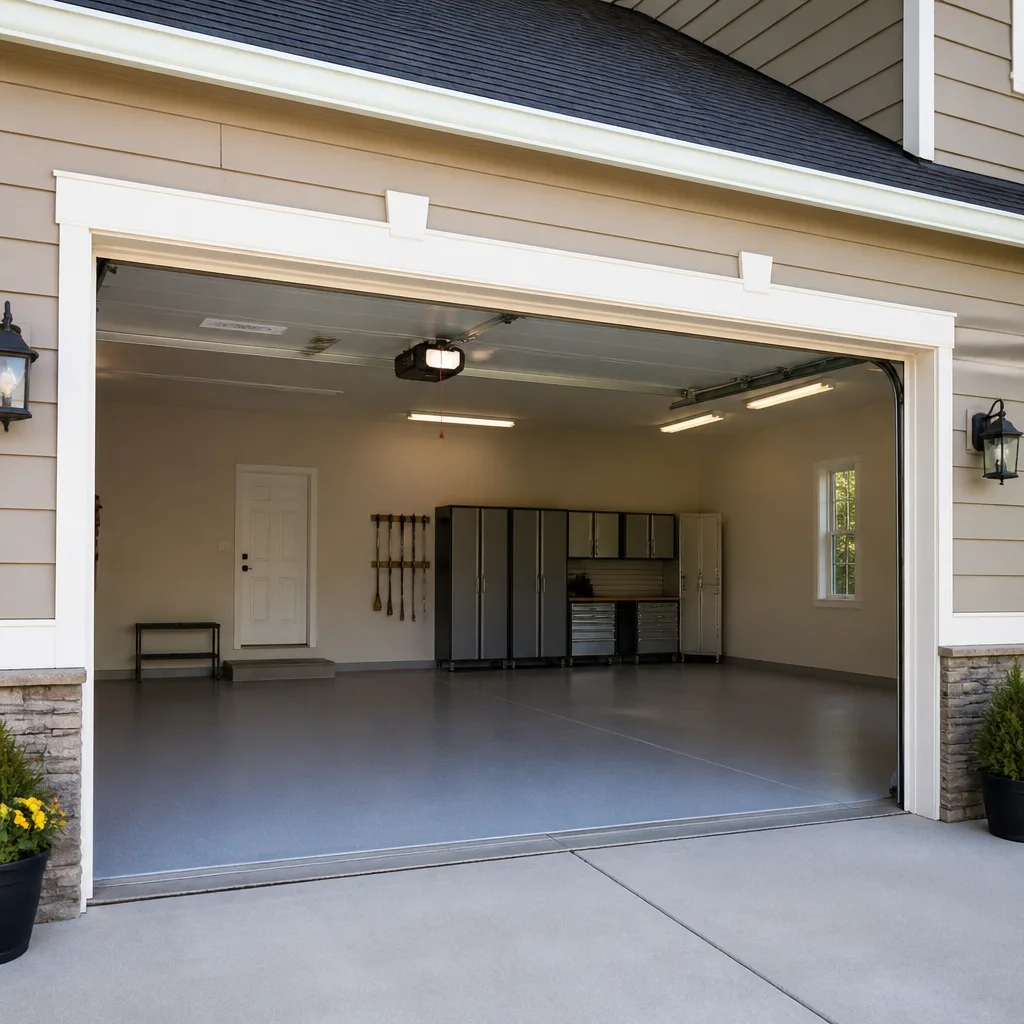 Chamberlain openers
Full 25-point door and opener safety check with every visit - springs, cables, rollers, tracks, and your LiftMaster or Chamberlain opener included
You get a price before we start. It does not change when the pro arrives.
Get your free estimateThe Complete Guide to Garage Doors in Hackensack
Most homeowners in Hackensack replace their garage door exactly once. That means every decision they make is their first, and the stakes feel higher than they should because there’s no second attempt to learn from. The common mistake is treating the door as a single object that either works or doesn’t. In practice, it’s a system of parts with wildly different lifespans, and mixing them up is how people spend money on the wrong fix. This guide walks through how Hackensack’s climate and housing stock wear out specific components, how to diagnose what’s actually broken before you call, and what the full path from first symptom to finished installation really looks like.
Quick Answer
A garage door in Hackensack needs different attention at each stage of its life: springs and seals fail first because of the area’s freeze-thaw swings, openers last longer, and the door itself usually gives you years of warning before replacement makes sense. If the door won’t move, the likely culprit is a spring, cable, or opener rather than the door panels. Diagnosing which system failed – before quoting a repair – is the single biggest factor in avoiding an unnecessary replacement.
Styles & brands we work with
- Raised-panel steel
- Carriage house
- Modern flush
- Full-view glass
- LiftMaster openers
- Chamberlain openers
Table of Contents
- How Hackensack’s Housing Stock Shapes Your Garage Door
- Freeze-Thaw Cycles and What They Wear Out
- Steel, Wood Composite, or Aluminum: What Holds Up Here
- Non-Standard Openings: The Postwar Width Problem
- Diagnosing the Problem: Opener, Spring, Track, or Panel
- Cost and Timeline: From First Symptom to Finished Installation
- Permits and Code: What to Ask Before You Order a Door
- A Maintenance Rhythm That Fits This Climate
How Hackensack’s Housing Stock Shapes Your Garage Door
Hackensack is not a city of uniform subdivisions. Drive through the residential blocks and you’ll pass postwar colonials and Cape Cods with single-car garages, mid-century split-levels, and newer townhome clusters where two-car garages sit under living space. Each of those housing types puts different demands on a door and its hardware, and the advice that fits a new townhome often misses a 1950s colonial by a mile.
The older homes here were built when garages were smaller and doors were lighter. Many of those openings have been modified since – a wider header added, an extension built over, an opener retrofitted. Every one of those changes leaves a trace that matters when you order a replacement. A door is measured to the opening, not to the house, and in Hackensack the opening has a history.
Newer townhomes bring the opposite set of issues. The doors are often insulated steel with integrated openers and safety sensors that need precise alignment. The garage ceiling is frequently shared with living space, so noise and vibration matter more than they do in a detached Cape Cod. Those installations reward a technician who matches the right opener and spring to the load rather than reaching for whatever fits.
Why This Matters for Repair Versus Replace
- Postwar homes often have lighter doors where a spring replacement extends life considerably.
- Renovated older homes may have mixed hardware – a modern opener on a legacy door – that needs matching.
- Townhomes usually have insulated doors where panel damage is worth repairing rather than replacing the whole unit.
- Split-levels sometimes have low-headroom garages that restrict which openers and track setups will work.
The point is that in Hackensack, a garage door question is really a question about your specific house. Any guide that skips that step is guessing. If you want the full picture of what repairing versus replacing involves, our garage door repair page breaks down each scenario.
Freeze-Thaw Cycles and What They Wear Out
Bergen County’s winters cycle above and below freezing repeatedly, and that constant expansion and contraction does more cumulative damage to garage door components than a single deep cold snap. The problem isn’t the cold itself. It’s the back-and-forth – the way metal, rubber, and wood all move at slightly different rates and pull against each other every time the temperature crosses that line. In Hackensack, this pattern plays out through the winter and into early spring.
Three components take the brunt of it, and they fail in a predictable order.
- Bottom seals. The rubber or vinyl seal along the bottom of the door is the first to go. It hardens in cold, cracks at the edges, and stops making contact with the floor. You’ll notice drafts, water intrusion after rain, and small pests finding their way in. Replacing a bottom seal is one of the least expensive jobs on a door and one of the most frequently postponed.
- Torsion springs. Springs are under constant tension and cycle up and down every time the door opens. Cold makes steel more brittle, and the repeated flexing accelerates fatigue. Springs have a finite cycle life regardless of climate, but freeze-thaw swings concentrate that wear into fewer months. A spring that’s been in service for years is a candidate for failure whether or not it looks rusted.
- Tracks and rollers. Frozen ground heaves, and a garage slab that shifts slightly can throw a track out of alignment. Rollers wear unevenly when the track is off, and you get a door that binds, jerks, or drifts. Small alignment issues are cheap to fix and expensive to ignore.
What to Watch For Through the Winter
You don’t need to inspect anything technical. Listen to the door. A door that gets louder, slower, or more jerky as the season goes on is telling you a component is wearing. A door that suddenly won’t open at all, or opens partway and stops, usually has a spring or cable problem. In our experience, the freeze-thaw pattern in Hackensack means spring failures cluster in late winter and early spring, right when the temperature starts moving around the most.
If your door has stopped lifting or you’ve heard a loud snap from the garage, that’s a spring issue and it’s safety-critical. Our garage door spring repair page explains what’s involved and why it belongs with a trained technician.
Steel, Wood Composite, or Aluminum: What Holds Up Here
Hackensack’s humidity is the deciding factor for door material. Summers here are warm and muggy, and a garage on the ground floor of a home sits in that moisture all season. That doesn’t rule out any material, but it changes which one makes sense for your house and how much upkeep you’re signing up for. The salt-air question comes up often – proximity to the Hudson and the broader region leads people to worry about corrosion – but the honest answer is that humidity and rain exposure matter far more here than salt.
Steel
Steel is the most common choice for Hackensack homes, and it earns that position. It handles humidity well as long as the finish stays intact, it’s available in insulated and non-insulated versions, and it holds up to the freeze-thaw cycle better than wood. The weak point is the paint or powder coat: once it chips, moisture gets to the steel underneath and rust starts. A steel door with a good finish will last a long time here; one with a chipped bottom edge will start to corrode within a season or two.
Wood Composite
Wood composite doors give you the look of real wood without the maintenance of it, and in Hackensack’s humidity that’s a real advantage. Composite resists moisture better than natural wood and won’t warp the way solid wood can. They cost more than basic steel and reward a homeowner who wants the appearance of a carriage-style door without repainting every few years. The trade-off is price and a smaller selection of standard sizes.
Aluminum
Aluminum is lightweight and rust-resistant, which makes it appealing. The catch is that it dents more easily than steel, and in a garage where kids’ bikes and lawn equipment live, dents are a real concern. It’s a reasonable choice for a low-traffic garage or a door that needs to be very light for an older opener. It’s not the best pick for a busy family garage in Hackensack where the door gets bumped.
Matching Material to Housing Type
- Postwar colonials and Cape Cods: steel with a solid finish, or composite for a period look.
- Newer townhomes: insulated steel, matched to the shared-wall noise concerns.
- Split-levels with low headroom: aluminum can ease the load on older openers.
- Renovated homes with mixed architecture: composite doors often bridge old and new best.
Non-Standard Openings: The Postwar Width Problem
One of the most common surprises in Hackensack is a garage opening that doesn’t match any standard door size. Postwar construction didn’t follow the uniform dimensions that later building patterns settled into, and plenty of garages here were built to whatever fit the lot. Add decades of renovations, and you get openings that are a few inches off from anything a manufacturer stocks. Ordering a standard door and hoping it fits is how a two-week project turns into a two-month one.
The fix is straightforward but non-negotiable: measure the opening precisely before you order anything. That means the clear opening width and height, the headroom above the opening, the side room on each side, and the depth of the garage behind the door. A door that’s the right width but the wrong headroom won’t install on a standard track. A door that’s the right size but intrudes on side room will hit the frame. Each of those measurements determines what fits, and they can’t be estimated from the outside of the house.
How a Custom-Sized Door Gets Ordered
- Measure the opening at its narrowest point, not at the widest, since the door has to pass through the tightest section.
- Record headroom, side room, and backroom, because these set which track and opener will work.
- Confirm the measurement a second time – a single off measurement is expensive to correct after manufacture.
- Match the door to the opening and the hardware together, since a custom size changes the spring requirements too.
- Order, then schedule installation for a day the door and hardware are both on site.
Custom sizing adds time to the project, not usually a problem with the door itself. When you’re ready to move from measuring to ordering, our garage door repair and installation guidance covers the handoff between repair and replacement, and it’s the right place to start if you’re unsure which one your door needs.
Diagnosing the Problem: Opener, Spring, Track, or Panel
Before you call anyone, you can narrow down what’s wrong with your door. This saves you money because it keeps a technician from chasing the wrong system, and it keeps you from replacing a door that only needs a repair. Four things can fail, and each has a distinct signature. In our experience, most homeowners can identify which one is at fault in a few minutes of observation.
The Four Failure Signatures
- Opener. The door won’t move, or it moves a little and reverses. You may hear the motor running with no door movement, or nothing at all. The remote may work intermittently, or the wall button may respond while the remote doesn’t. Brands like LiftMaster, Chamberlain, Genie, and Craftsman all have openers with their own failure patterns, and knowing which one you have tells a technician where to look first. See our garage door opener repair page for the specifics.
- Spring. The door feels extremely heavy when you try to lift it manually, or it won’t stay up when you let go halfway. You may have heard a loud bang from the garage. A broken spring is visibly broken (a gap in the coil) or the door simply can’t be lifted. This is the most dangerous failure to ignore.
- Track. The door binds, jerks, or drifts to one side as it moves. You may see a bent section of track or hear scraping. The door usually still opens, just badly.
- Panel. A dent, crack, or separation in the door sections themselves. The door may still operate fine but look damaged, or a bent panel may catch on the track and cause the binding.
What Not to Do
Do not attempt to adjust or replace a spring yourself, and do not try to lift a door with a suspected broken spring to test it. Torsion springs store a large amount of energy, and the hardware holding them can release it suddenly. That’s not a warning meant to sell a service – it’s the reason spring repair is treated as its own specialty rather than a general handyman job. If you suspect the spring is the problem, the right move is to call a trained technician and leave the door alone until they arrive.
The same caution applies to opener wiring and anything that involves disconnecting the door from the opener. If you want to confirm your diagnosis, call (844) 959-3216. We answer 24/7. Fast dispatch from 7am to 7pm, Sunday through Friday.
Cost and Timeline: From First Symptom to Finished Installation
What a garage door project costs and how long it takes depends mostly on which of the four systems failed. A spring repair is a same-day job. A full installation is measured, ordered, and scheduled. Here’s the path through each stage, with typical ranges so you can plan. The written estimate you receive sets the final price – these are typical figures, not a quote.
Repair Paths
- Bottom seal replacement: usually the lowest-cost repair, typically $90-$200 depending on door width and seal type.
- Roller and track adjustment: typically $100-$250, depending on how far out of alignment the door is.
- Opener repair: typically $120-$300 for repair; a full opener replacement runs higher and depends on the unit and whether the door needs new hardware to match.
- Spring repair, one spring: typically $180-$340, and this is a core service. A matched pair is usually replaced together, so a pair costs about twice that.
- Panel replacement: varies widely by door line and whether the panel is still manufactured.
Installation Path
A new door moves through a different sequence. First comes the measure: opening dimensions, headroom, side room, and backroom are confirmed. Then the door is selected and ordered, which is where a non-standard opening in Hackensack adds time. Standard sizes arrive faster; custom sizes take longer. Then comes installation, which is typically a single scheduled visit once the door is on site. If your city requires a permit for the work, that stage runs before installation and should be confirmed with the building department up front.
Door installation pricing depends on the door line, insulation, and whether the opener and hardware need upgrading to match. The right way to get a number is a free in-home measure and a written estimate. There’s no same-day promise on installation – it’s measured, ordered, and scheduled – but the estimate itself is free and the price is agreed before any work starts.
Permits and Code: What to Ask Before You Order a Door
Whether you need a permit for a garage door project depends on the work. Replacing a door of the same size in the same opening is often treated differently than enlarging an opening, adding a new door, or altering the structure around it. The only reliable answer comes from Hackensack’s building department, and a quick call before you order is worth the five minutes. Don’t assume either way, and don’t let a contractor talk you out of asking.
Here’s what to confirm with your city’s building department before ordering:
- Whether a same-size door replacement requires a permit in Hackensack.
- Whether any change to the opening size, header, or framing triggers a permit review.
- What inspections, if any, are required after installation.
- Whether the opener wiring needs to be reviewed by a licensed electrician in your case.
That last point matters more than people expect. Opener installation involves low-voltage wiring and often a connection to the home’s electrical system. If the existing garage outlet needs to be moved or added, that’s electrical work, and it’s a separate scope from the door itself. We can work with your electrical contractor to schedule the two so the door isn’t waiting on an outlet. Wiring and panel work are not jobs to handle without a licensed electrician, and we’ll say so when that’s what a project needs.
A Maintenance Rhythm That Fits This Climate
A garage door doesn’t need much, but the small things done on schedule prevent the large things done in a hurry. Hackensack’s freeze-thaw pattern gives you a natural twice-a-year rhythm: once in the fall before the cold sets in, and once in the spring after it’s done. The fall check gets the door ready for the winter’s temperature swings. The spring check catches the wear the winter caused.
The Fall Check
- Look at the bottom seal for cracks or a gap against the floor. Replace it before the cold hardens it further.
- Lubricate the rollers, hinges, and springs with a garage-door lubricant – not WD-40, which attracts dust.
- Test the door’s balance: disconnect the opener and lift the door halfway. It should stay put. If it drops or rises, the springs need attention.
- Check the safety sensors: block the beam and confirm the door reverses. Adjust if it doesn’t.
- Listen for unusual noise and note where it comes from. Noise is the earliest signal of a wearing part.
The Spring Check
- Inspect the bottom seal again for winter damage.
- Look at the springs for visible gaps, rust, or sagging – a broken spring is obvious.
- Check the tracks for bends or misalignment at the bottom, which is where freeze-thaw ground movement shows first.
- Run the door and watch for jerking, drifting, or slowdowns, and compare the sound to last season.
Beyond the seasonal checks, a door that’s been in service for years is worth a professional look once in a while. Our garage door repair service includes a full inspection, and it’s the right call if you’re unsure about balance, springs, or the opener’s behavior.
Common Mistakes to Avoid
- Replacing the whole door when only the spring failed. A door that won’t open is usually a spring, cable, or opener problem. The panels are often fine. Diagnosing first saves the cost of a full replacement.
- Ordering a standard-size door for a non-standard opening. Postwar Hackensack garages frequently have openings that don’t match stock sizes. Measure the opening at its narrowest point before you order anything.
- Treating a broken spring as a do-it-yourself job. This is the mistake with real consequences. Torsion springs store energy and the hardware can release it suddenly. Leave spring work to a trained technician.
- Ignoring a drafty bottom seal. A worn seal lets in water, cold air, and pests. It’s one of the cheapest repairs on the door and one of the most often postponed.
- Skipping the fall inspection. Freeze-thaw cycles wear components faster than steady cold. A fall check catches the wear before winter accelerates it.
- Assuming weatherstripping and seal are the same thing. They aren’t. The bottom seal closes the gap to the floor; the weatherstripping seals the sides and top. Both wear, and both are cheap to fix.
- Hiring the first quote without asking about brand compatibility. Openers and doors from different manufacturers aren’t interchangeable the way some people expect. Ask whether the technician knows your specific opener brand, whether that’s LiftMaster, Chamberlain, Genie, or Craftsman.
See the difference
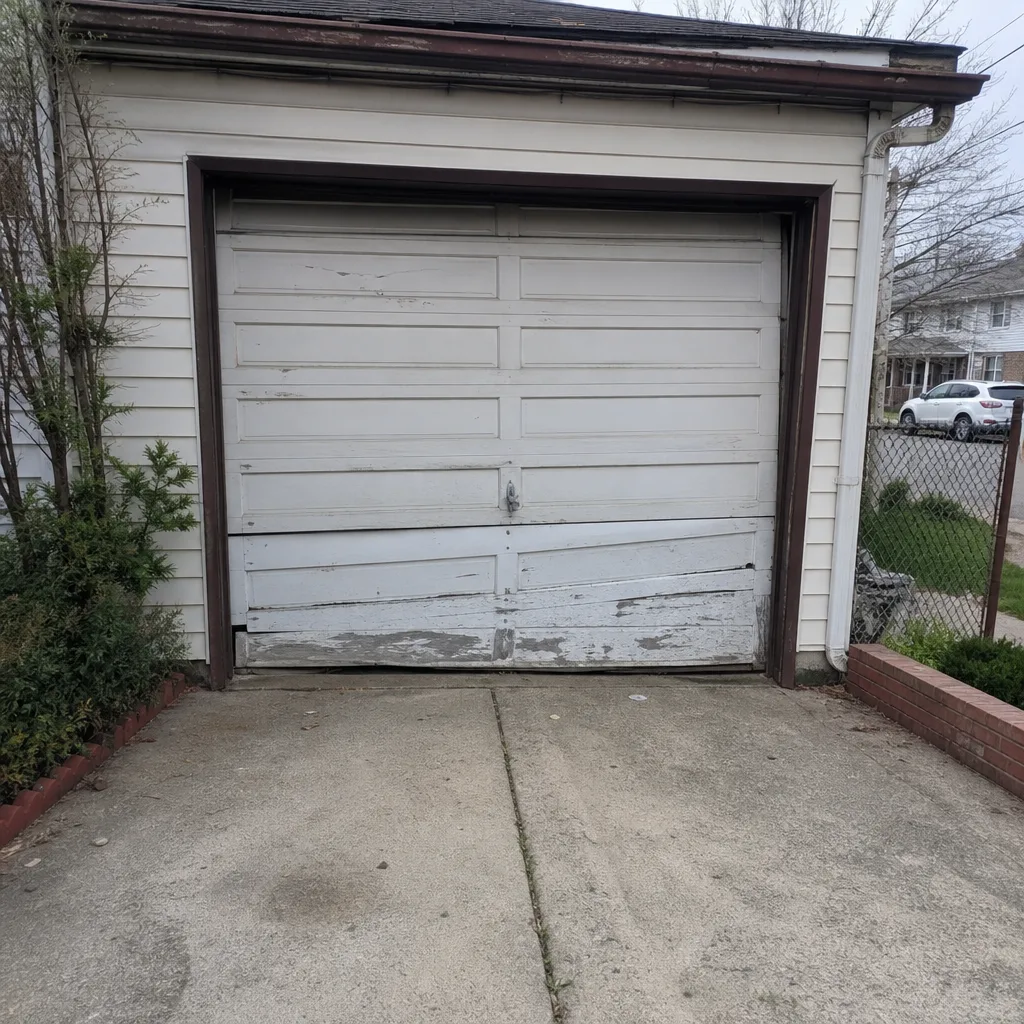 Before
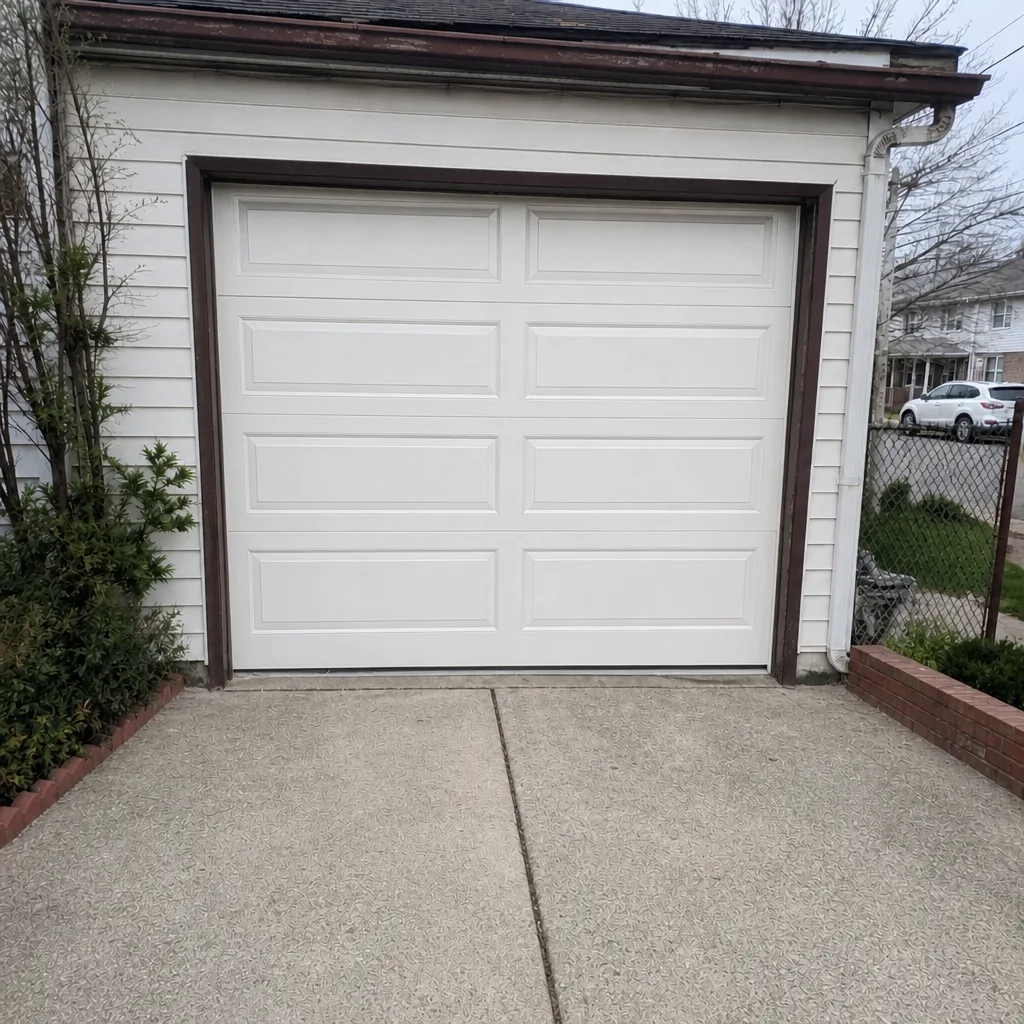 After
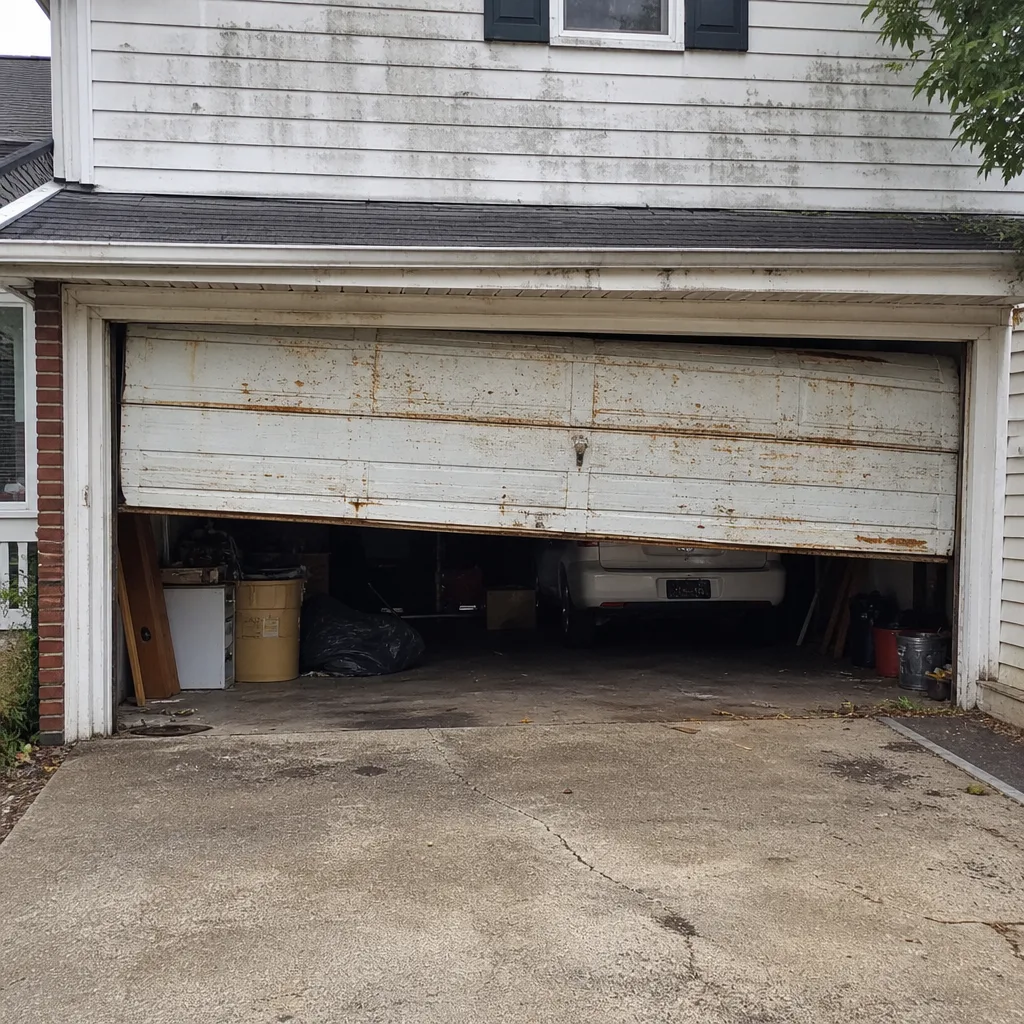 Before
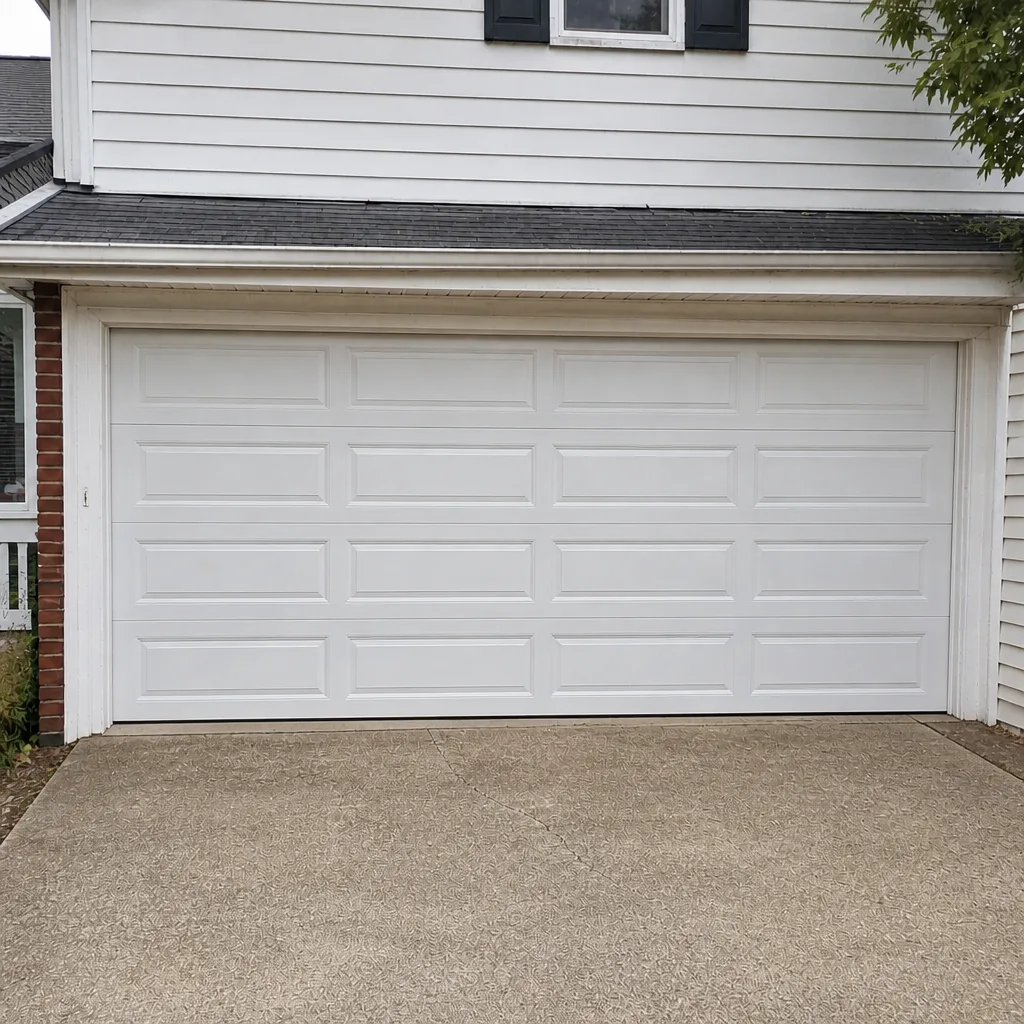 After
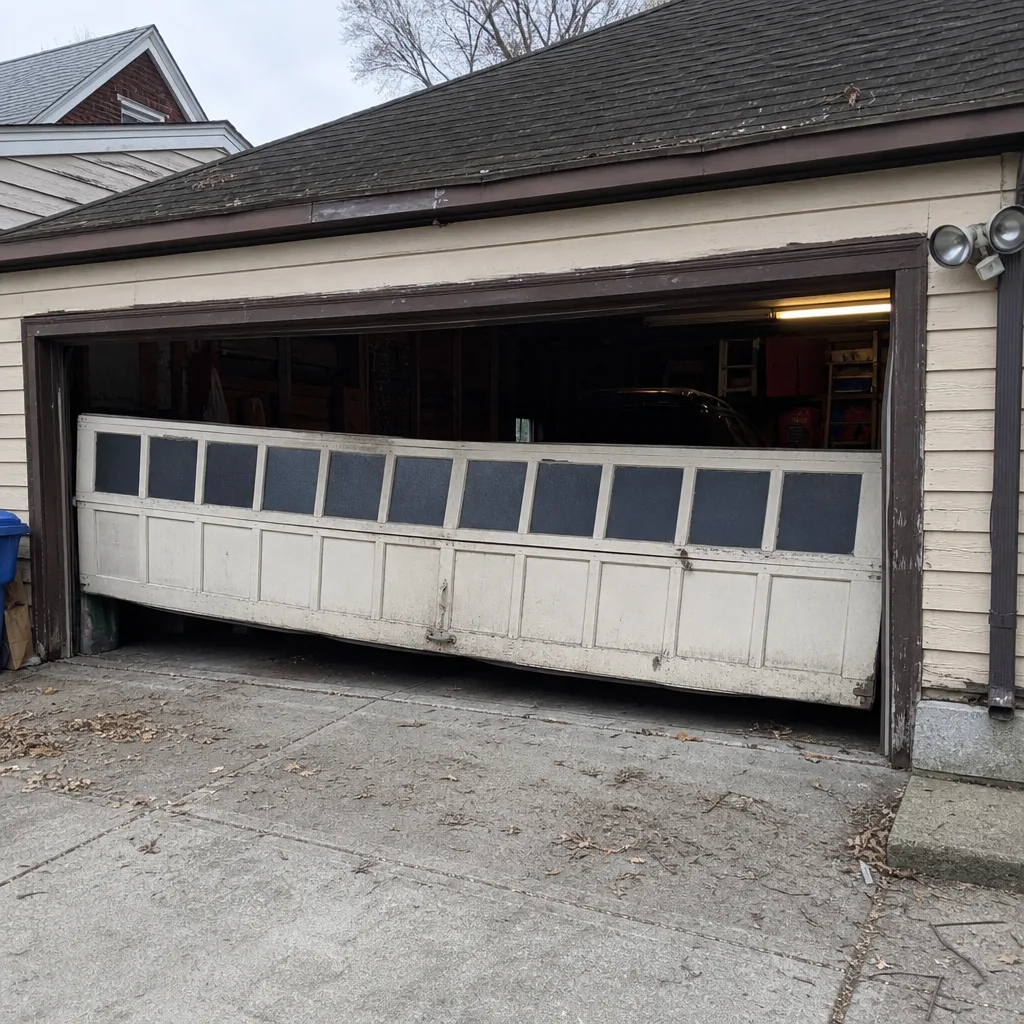 Before
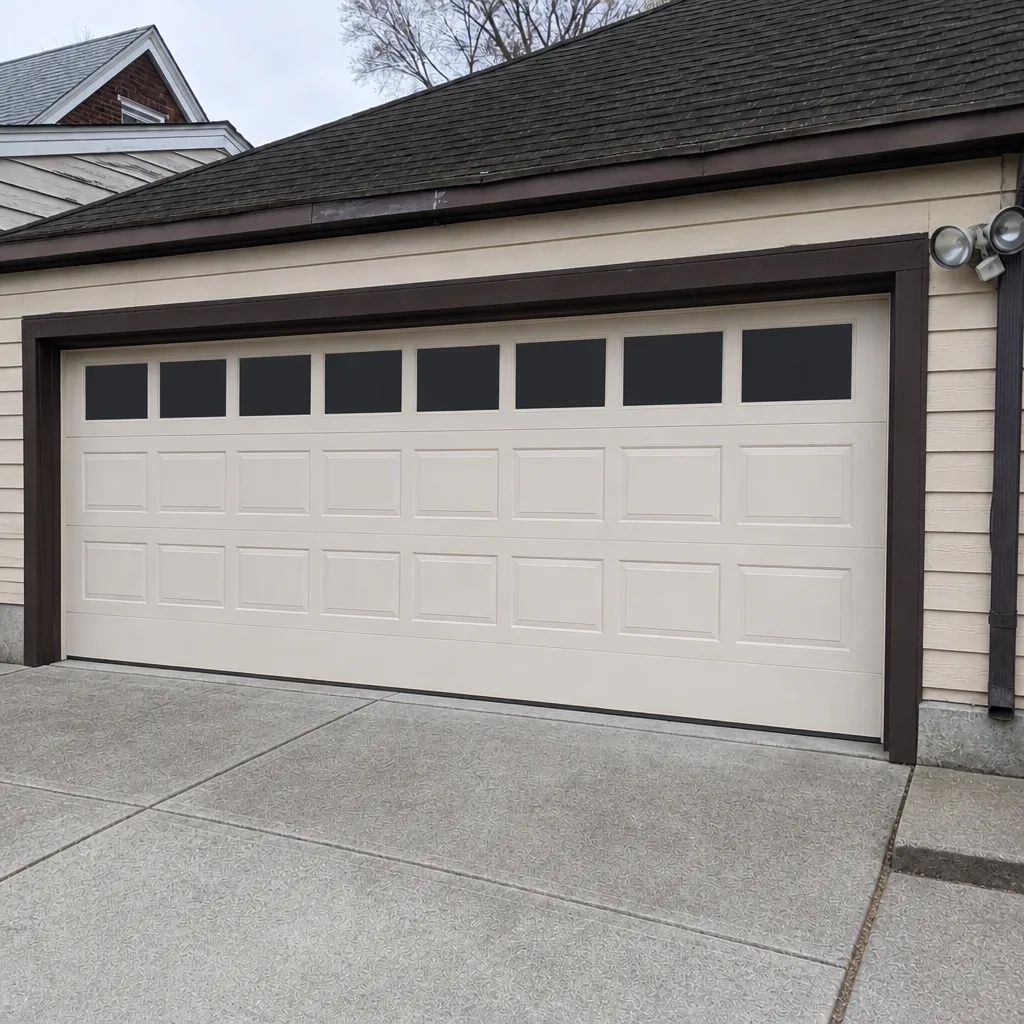 After
When to Call a Professional
Some jobs are safe to handle yourself: lubricating rollers, replacing a bottom seal, clearing a track of debris. Others are not. Call a professional if the door won’t open or won’t stay up, if you’ve heard a loud snap from the garage, if the door reverses unexpectedly, if the opener runs but the door doesn’t move, if a panel is bent badly enough to bind on the track, or if the door is out of balance when you test it by hand. Wiring and electrical work belong with a licensed electrician, and spring repair belongs with a technician trained on high-tension hardware. If you’re unsure which category your problem fits, that itself is a reason to call.
Hackensack Garage Door Repair Pros offers free estimates in Hackensack – call (844) 959-3216. We answer 24/7. Fast dispatch from 7am to 7pm, Sunday through Friday. We work with LiftMaster, Chamberlain, Genie, Clopay, Amarr, Wayne Dalton, Craftsman, and Raynor equipment, so your brand is matched to the right parts and technique rather than forced into a generic fix. Our technicians have up to 12 years of experience, and the price is quoted and agreed before any work starts.
Frequently Asked Questions
Spring repair in Hackensack typically costs $180-$340 for one spring, and a matched pair is usually replaced together, so a pair costs about twice that. The exact price depends on the door’s weight and the spring type, and the written estimate sets the final price before any work starts. Call (844) 959-3216 for a free estimate.
Same-day service is available for repair calls, and emergency garage door service is a standing part of what we offer, not a rare exception. Call (844) 959-3216. We answer 24/7. Fast dispatch from 7am to 7pm, Sunday through Friday, and a call outside dispatch hours is booked into the next opening.
The written estimate you receive on site is the price – it doesn’t change once work starts. We diagnose first, quote the repair or installation based on what’s actually wrong, and confirm the number with you before anyone touches the door. Nothing gets added after the fact. Call (844) 959-3216 for a free estimate.
The local professionals we connect you with are licensed and insured as their state requires. We’ll confirm the credentials of the technician assigned to your job before they arrive, so you know who’s working on your door. Call (844) 959-3216 with any questions about who’s coming out.
It depends on the work, so ask Hackensack’s building department before you order. A same-size replacement is often handled differently than a change to the opening, framing, or header. The building department is the only reliable source on whether a permit applies to your project.
We work with LiftMaster, Chamberlain, Genie, Clopay, Amarr, Wayne Dalton, Craftsman, and Raynor equipment. That covers the most widely installed openers and doors, whether your system is a newer Wi-Fi-connected opener or an older drive unit. If your brand isn’t on the list, call (844) 959-3216 and we’ll tell you honestly whether we can help.
The Bottom Line
Your garage door is a system, and the components fail on different timelines. In Hackensack, freeze-thaw cycles push the bottom seal, springs, and tracks harder than steady cold would, and non-standard openings from the postwar housing stock complicate any replacement. The path from symptom to solution starts with diagnosing which system failed – opener, spring, track, or panel – then choosing repair or replacement based on what’s actually broken rather than what’s easiest to sell. Measure before you order, confirm permit requirements with the city, and keep a simple fall-and-spring maintenance rhythm. When a spring is involved, call a technician.
Hackensack Garage Door Repair Pros offers free estimates in Hackensack. Call (844) 959-3216 today to schedule yours. We answer 24/7. Fast dispatch from 7am to 7pm, Sunday through Friday, and the price is quoted and agreed before any work starts.
Written by the team at Hackensack Garage Door Repair Pros.